When God Owns the Business: Captain Tony Anderson's Leap from Marina Manager to Vessel Caretaker
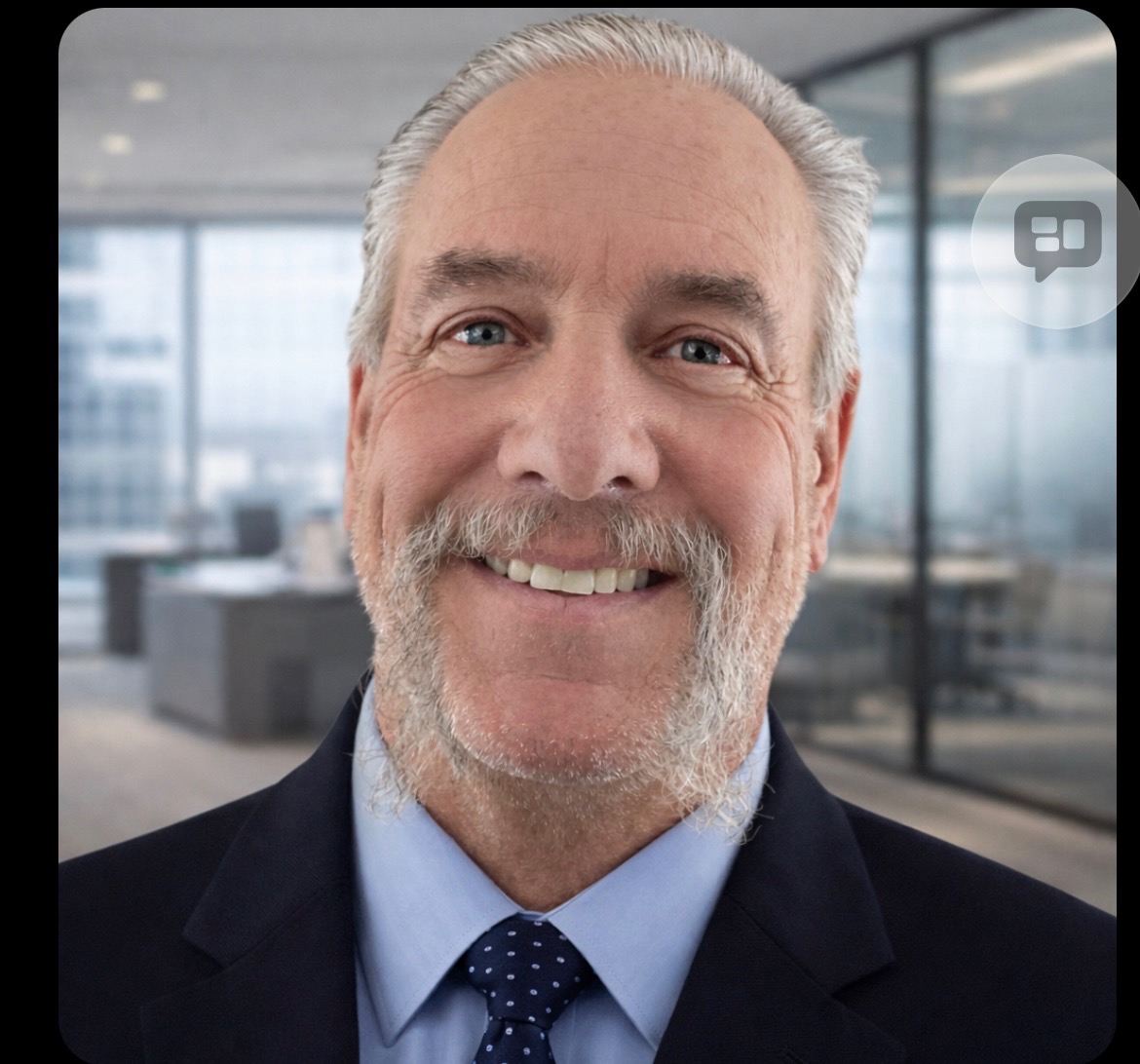

Captain Tony Anderson was comfortable. As general manager overseeing three marina operations on Lake Powell, he led a staff of 80 and drew a steady paycheck. Then came the phone call that would dismantle everything.
On the other end of the line was the widow of a close friend—a man who'd died suddenly from cardiac arrest just a year earlier. She'd tried to sell her late husband's vessel caretaking business through a broker. No one bit. The work was too specialized, the industry too niche for outside investors to parachute in a manager and expect success.
"She told me she couldn't think of a better person to take over her husband's business than myself," Tony recalls. "I said, 'Let me go home and pray over it.'"
He got the word back in prayer: ….To take Care of widows and orphans….
The Decision That Changed Everything
Tony didn't need a business plan. He needed obedience. "We're instructed to take care of orphans and widows," he says. "Here was a widow I knew, and she didn't even have a string to hang on to."
So he bought Ticaboo on Lake Service—a small operation providing vessel care for privately owned houseboats on Lake Powell's north end. Cleaning, post-trip services, mechanical maintenance. Five employees. Specialized work that requires intimate knowledge of large floating vessels and the temperament of a teacher.
But Tony made two non-negotiable commitments before signing anything. First: take care of the widow. Second: tithe 10% of the company's gross revenue—not his personal income, but the business itself.
"It's not my income being tithed. It's the company itself. That was the dedication I sought after."
Most business owners wouldn't dream of tithing gross revenue. The math feels reckless, especially in lean months. But Tony saw it differently: "This is definitely going to be your venture, Father. Let's make sure we invest back into the kingdom of God."
The BLESS Framework: A Daily Reset
Tony can't remember who coined the BLESS acronym—he heard it on a podcast and wrote it down—but it became his operating manual. Begin with prayer. Listen and look for opportunities. Exercise obedience. See everyone as made in God's image. Serve others.
"I need to begin every day like this," he admits. "But also every single step of the way."
It's easy to talk about faith when business is booming. The real test comes when the tax bill lands and vendors are due and payroll is next week—and you've already committed to tithe. Tony's faced that math more than once.
"You look at all this and think, 'Wait, I promised a tithe.' But He's not interested in the sacrifice—He's interested in the obedience. I'm just the manager. He's the owner."
What happens next still catches Tony off guard. He sends the tithe. Then business picks up. Big-dollar work materializes. "Where did all this come from?" he wonders. But he knows.
"God is as faithful as we perceive Him to be. If you're sitting back with your hand clenched around your wallet, He's not going to show up. You have to let go of your grip."
Sandals That Don't Wear Out
Tony runs older equipment—the kind that should have died years ago by industry standards. But it keeps running. Preventative maintenance, sure. But nothing catastrophic. Nothing that cripples operations.
"The hand of blessing is on things," he says. "This thing should be dead by now. How does it keep going? It's like the Israelites in the desert—their sandals didn't wear out."
It's a startling claim, but Tony says it with zero fanfare. Just observation. Just evidence.
The Pronoun That Changes Everything
Most business owners default to first-person singular: I, me, my business. Tony caught himself doing it early on. So he switched.
Now he uses we and our. "People don't bat an eye when I say it," he notes. "But what I'm meaning is: God's my business partner. God's my life partner."
It's a small shift with massive implications. Language shapes identity. And identity shapes decisions.
Bold Kindness, Kind Boldness
When asked what advice he'd give other Christian business owners, Tony doesn't hesitate: "You have to be bold in your kindness and kind in your boldness."
That means valuing customers—even the screaming ones. Especially the screaming ones. "If someone's disenchanted and runs to social media to trash your business, let it go. Let God fight your battles. Don't climb down into the pit of garbage with them."
It also means prioritizing employees over personal gain. "Make sure your employees are doing better than you are," Tony says. "Pay them well. Make sure their families are comfortable. If you're driving a 20-year-old car and wearing 10-year-old shoes while they thrive, they'll notice. They'll see you have a servant mentality."
"Look for opportunities. If an employee's child becomes ill and they need 26 weeks at the Mayo Clinic, help subsidize the trip. Maybe just give them their salary while they're gone. Pray over it and watch it happen."
And when an employee casually mentions good news—"Turns out my mom's cancer is benign"—Tony's response is immediate: "God is good. Let's go to lunch."
No sermon. No awkwardness. Just a simple acknowledgment that redirects glory where it belongs.
Practice Surrender Like You Practice Anything Else
Tony's one God-given skill is boat handling. Put him behind the wheel of an 85-foot-long houseboat, and he can make it dance. That mastery didn't come from talent alone—it came from relentless practice.
Surrender works the same way.
"You can't just wake up and say, 'I surrendered yesterday, so I'm good today.' No. You need to get on your knees and surrender again. Surrender your family, your friends, your heart of stone. Ask for a heart of flesh in return. Surrender everything you see in front of you. Just say, 'It's Yours. Thank you for letting me participate. Let's do something cool today, God.'"
And then—this is the part most people skip—listen. “Show me Your glory,” Tony prays. “Not just in sunsets, but in the eyes of another human being today”
"You have to learn to recognize His glory. That all comes from practicing surrender."
What Monday Morning Looks Like
So what does this mean for you, the leader reading this on a Sunday night or during a coffee break?
Start here: Stop saying my business. Try our business for a week and see what shifts inside you.
Next: Pray over your customers—current, past, and future. Pray over your employees. Pray over the ones who frustrate you most, you’ll find the change in you as you learn to lead them.
Then: Tithe something. If 10% of gross feels impossible, start with 5%. Start with 3%. But start. And watch what happens when you loosen your grip.
Finally: Surrender daily. Not once. Not when things fall apart. Every single morning. On your knees if you can. Out loud if possible. Make it a practice, not an event.
Captain Tony Anderson didn't need a perfect plan to buy a widow's business. He needed one word and the willingness to act on it. The rest—the provision, the growth, the sandals that don't wear out—followed obedience, not strategy.
Maybe that's the point. Maybe the kingdom doesn't need more brilliant entrepreneurs. Maybe it just needs more people willing to let go.
Continue Reading
More articles in Faith in Business
.jpg) Faith in Business
Faith in BusinessThe Fan Blade That Changed Everything: Byron Low on Loving People Without a Drum to Beat
A curious engineer on his lunch hour became an executive coach. Byron Low explains why he follows God's nudges, loves people first, and refuses to trust in chariots.

.jpg) Faith in Business
Faith in BusinessThe Three-Month Fix That Became a Three-Year Turnaround: Steven Flowers on Saving a Family Shelter
Steven Flowers walked into a shelter with less than two months of cash and a live bed bug taped to his door. Three years later, it is serving twice as many families. Here is how a pastor's phone call changed everything.

.jpg) Faith in Business
Faith in BusinessStay Off the Bench: How Kent Evans Is Equipping Dads to Make Disciples
Kent Evans started with a simple question in 2010: what if dads had tools to open Scripture with their sons? Sixteen years later, Manhood Journey reaches over a million people a year.
WANT TO SHARE YOUR STORY?
Join our community of faith-driven leaders and share how God is working in your business.
Get Started