The Upside-Down Kingdom: How Christ-Centric Leadership Transforms the Marketplace

Listen to this article
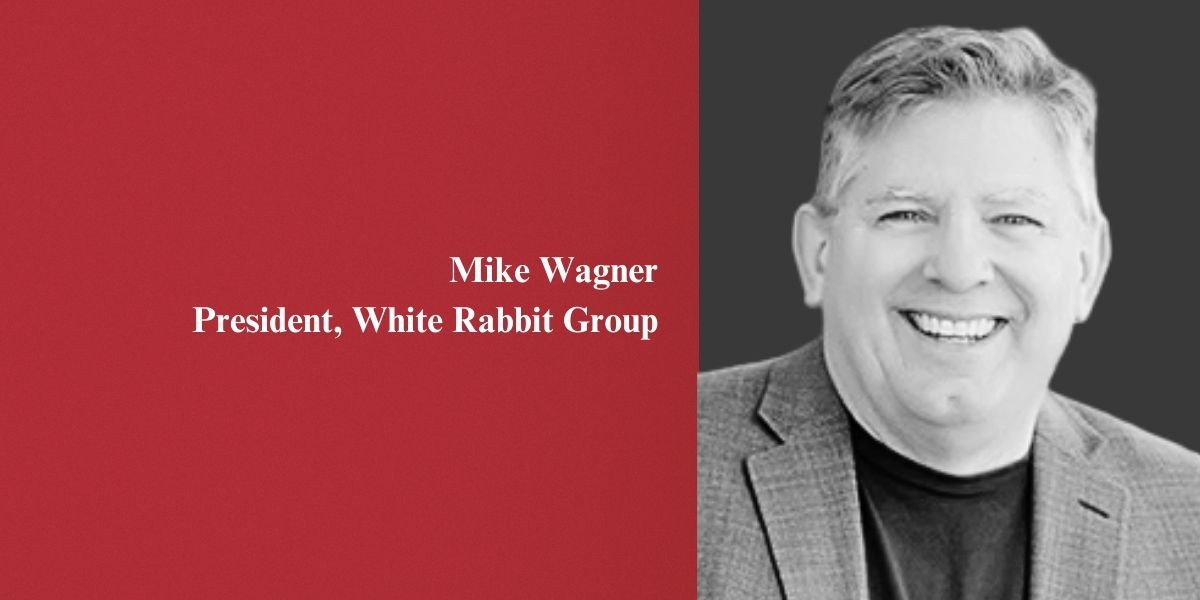
As self-interest and fleeting success take center stage, the call for values-anchored leadership grows louder. Mike Wagner, founder of White Rabbit Group, embodies this call, demonstrating how a Christ-centric approach to leadership, discipleship, and stewardship can revolutionize the marketplace. His journey, from classical Greek and Hebrew studies to leading a prominent leadership development company, is a testament to the enduring power of faith applied to everyday business.
Leading with Unwavering Transparency
Mike Wagner’s approach to leadership is marked by an intentional transparency about his faith. He doesn't shy away from his background as a pastor or his theological education. This openness often sparks curiosity, leading to deeper conversations with clients, even those who don't share his beliefs. He recounts a powerful instance where a CEO, intrigued by a leadership model derived from scripture, asked to learn more. This led to multiple sessions and, remarkably, the CEO requesting Mike to open their leadership team meetings in prayer. This wasn't about proselytizing, but about demonstrating the practical wisdom embedded in biblical principles.
Wagner’s conviction is simple yet profound: "Wherever you stand, you stand on God's property, and if you want it to work, you've got to borrow capital from God, and you've got to borrow the truth of the scriptures to make it work." This belief underpins his ability to apply scriptural insights to complex business challenges, making them accessible and compelling to a diverse audience.
Seeing the Divine Image in Every Individual
One of the most transformative aspects of Christ-centric leadership is the recognition of every individual as being made in the image of God. Mike shares an anecdote about a frustrated manager who viewed his team as "below ordinary." Mike challenged this perspective, asserting that "everyone you've ever had report to you is made in the image of God, and therefore, exceedingly privileged, and blessed, and valuable." This paradigm shift redefines the manager's role from merely overseeing tasks to stewarding people, loving them, and helping them realize their full potential. It's a call to see employees not as cogs in a machine, but as precious individuals deserving of investment and development.
Stewardship: From 'End' to 'Means'
The concept of stewardship is central to Wagner's philosophy. He distinguishes between being an 'end' and being a 'means.' Many leaders, he observes, instinctively see themselves as the 'end' – their career, their financial reward, their applause. True stewardship, however, involves a radical shift: becoming a 'means' to develop and grow others, to see them prosper and thrive. This aligns with Jesus' teaching in Matthew 5:16, where our good works are meant to glorify God, not ourselves. This 'upside-down kingdom' perspective transforms leadership from a self-serving endeavor into a God-honoring mission, where the ultimate goal is to point people to the Heavenly Father.
The 2x2 Model: High Challenge, High Connection
Mike illustrates this developmental approach with a powerful 2x2 model, a visual tool that resonates deeply with business leaders. The model plots 'challenge' (low to high) against 'connection' (low to high), revealing four distinct workplace cultures:
- Low Challenge, Low Connection: A "boring place to work," characterized by minimal engagement and high turnover.
- Low Challenge, High Connection: A "comfy place to work," where collegiality exists, but personal growth is stagnant.
- High Challenge, Low Connection: An "incredibly stressful place to work," leading to survival cultures where individuals are left to fend for themselves.
- High Challenge, High Connection: The ideal "developmental culture," where individuals are both challenged to grow and deeply supported. This is the sweet spot of stewardship, mirroring biblical examples like Moses, who faced high challenges with the high connection of God's presence and Aaron's support, or Paul, who nurtured believers like a mother and challenged them like a father.
These high-challenge, high-connection environments foster success not just in terms of productivity, but in the holistic development of individuals.
Discipleship in the Marketplace: Making More Toolmakers
For Mike, discipleship isn't confined to religious settings; it's a vital principle for business growth. He translates the biblical mandate to "make disciples" into the marketplace concept of "making more toolmakers." He recounts working with a company where the lead toolmaker admitted it took 12 months to 2 years to train a new person. Mike challenged them: "So, what's your game plan? How do you make more?" This highlights the intentionality required to reproduce talent and leadership, mirroring the deliberate process of spiritual discipleship.
Love as the Guiding Principle for Accountability
When it comes to correcting, challenging, or holding people accountable, Mike's faith provides a clear compass: love. He defines love as "seeking a person's highest good." This often means delivering hard truths, knowing it might be painful to hear. He references Ephesians, emphasizing the need to speak "truth in love." Truth without love can be cruel, while love without truth can be enabling. The challenge, then, is to discern what truth and love look like in each unique client engagement, always prioritizing the individual's ultimate well-being.
The Counter-Cultural Call
Living out these principles in the business world can feel counter-intuitive, even scary. Telling truth to power, especially when an engagement is on the line, requires immense courage. Mike finds strength in Proverbs 29:25: "The fear of man lays a snare, but whoever trusts in the Lord is safe." This assurance of safety in God allows him to speak boldly, knowing that his ultimate security lies not in client retention, but in divine trust.
Mike Wagner's work is a powerful demonstration of how Christ-centric leadership can transform individuals, teams, and entire organizations. By embracing transparency, recognizing the inherent value of every person, practicing intentional stewardship, fostering developmental cultures, and speaking truth in love, leaders can create thriving environments that honor God and empower people to reach their highest good.
Written by
Steven Wilson
Kingdom Factor Coach helping leaders integrate faith and business for lasting impact.
Interview with
Mike Wagner
President at White Rabbit Group
Urbandale, IA
Continue Reading
More articles in Faith in Business
.jpg) Faith in Business
Faith in BusinessThe Three-Month Fix That Became a Three-Year Turnaround: Steven Flowers on Saving a Family Shelter
Steven Flowers walked into a shelter with less than two months of cash and a live bed bug taped to his door. Three years later, it is serving twice as many families. Here is how a pastor's phone call changed everything.

.jpg) Faith in Business
Faith in BusinessStay Off the Bench: How Kent Evans Is Equipping Dads to Make Disciples
Kent Evans started with a simple question in 2010: what if dads had tools to open Scripture with their sons? Sixteen years later, Manhood Journey reaches over a million people a year.
 Faith in Business
Mary Love-Harris Learned the Hard Way: Christian Doesn't Mean Poor
After years of underpricing her calling and absorbing church hurt, Mary Love-Harris heard God say something that changed everything: 'I never told you to do anything for free.'

WANT TO SHARE YOUR STORY?
Join our community of faith-driven leaders and share how God is working in your business.
Get Started