The Artist Who Builds Legacy One Brushstroke at a Time
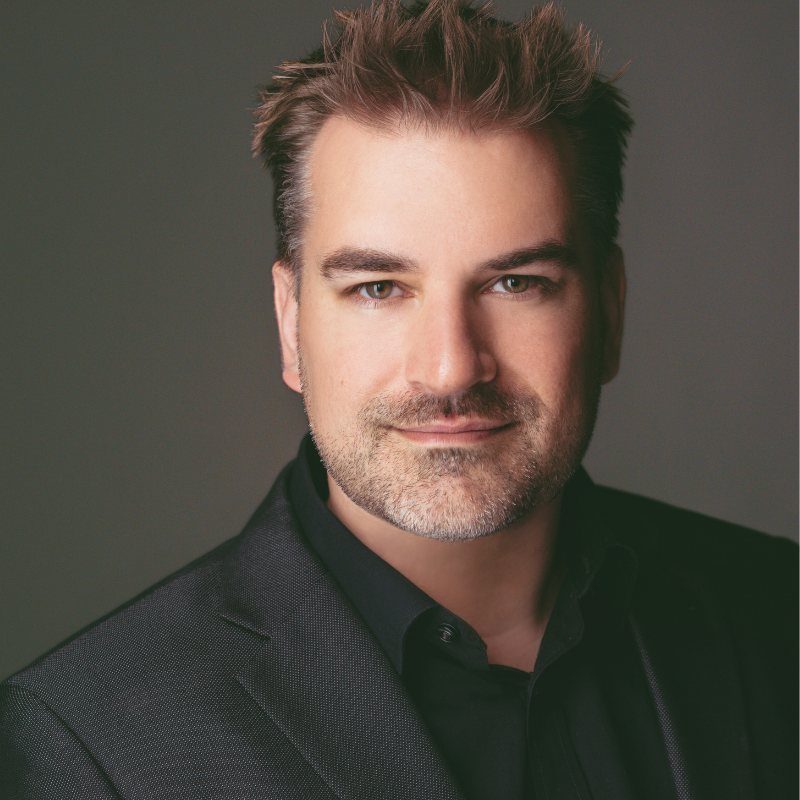

When Youngmi Organ walked away from fourteen years of university teaching and gallery shows, she wasn't abandoning her craft. She was searching for something the art world couldn't answer: Why do so many dedicated artists struggle financially? And more importantly, how could her work serve a purpose beyond museum walls?
What she discovered changed everything—not just her business model, but her understanding of what it means to create with kingdom purpose.
From Gallery Walls to Garden Lessons
Youngmi's path to faith came through small fractures. In her late twenties, the structures she'd built—education, performance, friendships—began to crack. "Everything seemed perfect," she recalls. "But then little cracks in your life happen, and I wasn't secure. I was looking for answers, and my friends turned around. Everything was falling apart."
That's when she realized she'd been building on sand. "The things I believed in—those were worldly things. I knew there was something more." In 2000, after years of church visits that never connected, Youngmi finally encountered Christ. Looking back, she learned that friends and family had been praying for her all along.
"Everything makes sense now. I feel full. This was the part I was missing all my life."
But accepting Christ didn't just change her Sunday mornings—it demolished her entire artistic framework. "The work I did before didn't make sense anymore," she explains. "I had to give my oath: from now on, whatever I build, whatever I make, it has to be pleasing to You. I'm Your worker. I'm Your artist."
She scrapped years of museum-ready work and started over.
The Craft of Listening
When Youngmi re-entered the art world, she took an unconventional route. Instead of pursuing galleries, she began working with businesses—logos, murals, commissioned pieces. She wanted to understand why artists struggled financially and whether art could thrive in the marketplace.
What she found surprised her. Mastery wasn't just about medium and technique—it was about people.
Take her mural for the Prince William Chamber of Commerce. Bob, the Executive Director, approached her with a vision—but also a laundry list of requests. "Let's put George Mason. Let's add I95 and I66. We need Micron. We have to do this," she recalls, laughing. When she started arranging all those elements, the vision got muddy. The message disappeared.
So Youngmi did what few artists dare: she pushed back.
"Let's go back to the beginning," she told him. "What's in your heart? Why are you doing this?" They talked about thriving together, being a guiding light, serving every business equally—not just showcasing the big names. "We can't just pretend because these big companies are helping you," she explained. "Everybody who walks in should get the same service."
Together, they distilled the vision into a single image: a compass with light breaking through darkness, the map of Innovation Park layered beneath it, and a Northern star guiding the way. The result was both beautiful and purposeful—a visual declaration that the Chamber exists to lead, not just display.
"For me, good Christians have to be good examples. You can't fake it or just show it in front of people. Your whole life has to be built from the bottom."
That's the craftsmanship most business owners miss. Youngmi doesn't just create art—she translates passions into images, needs into narratives. She listens first, then creates.
Praying Before Pricing
In her first year of business, Youngmi hit the ground running. She chased projects, said yes to everything, and focused on momentum. "I was eager to make this happen—project to project, make it, make it, make it," she admits.
Then she stopped. "I found myself going the wrong way. This is not what I was called for."
She spent thirty days recalibrating—praying, reflecting, repenting. She established a new practice: pray before accepting any work. Sometimes, she turns projects down because something doesn't feel right. Other times, her slow response becomes a natural filter, and the opportunity dissolves on its own.
"Yes, we're here to make money," she says. "But that cannot be the first goal. My calling is to bring people together, introduce them to art, and express God's visions and voice through visual language. That has to happen one project at a time, one person at a time."
Her standard isn't billable hours—it's excellence. "If I only charged you ten dollars per hour and said, 'Okay, my time is done,' the work could have been more," she explains. "But I can't do that. Until I feel it's ready, until I'm satisfied, I keep working. We, as believers, do good work. For artists, good work means finishing well."
She operates by a principle rooted in Scripture: God blesses the hands that create beautiful things. The Greek translation of "good work" she references isn't just moral behavior—it's craftsmanship, artistry, things made with skill and care.
Hair, Seeds, and the Art of Bearing Fruit
Youngmi's personal artwork defies convention. She creates intricate images—buildings, clouds, complex structures—using human hair. Yes, hair. The same strands that fall uselessly from your head, she repurposes into something arresting.
Why? Because transformation is her testimony.
"I use something that was beautiful once but lost its purpose," she says. "I repurpose it and make something beautiful again—even something that seems impossible." When viewers ask why she uses hair, what she's trying to say, that's the moment she shares where her inspiration comes from.
Much of that inspiration flows from her garden. She tills, plants, waits, weeds, waters—watching quarter-inch sprouts become peppers and cucumbers. "It's like faith," she reflects. "It's a long journey. You fail. I fail all the time. But you go back. Every day you go back. That tiny seed becomes something fruitful, distinctive, nourishing."
"I'm looking at the sunset saying, 'You win. I can't do this. How could You make it this beautiful every single night?' Everything He created is so beautiful. How do I translate that into a little piece of canvas?"
She doesn't always know. But she keeps trying. She keeps listening—to her clients, to the Spirit, to the world around her.
What Monday Morning Looks Like
So what does this mean for you—the business leader trying to integrate faith into your work?
First, slow down before you say yes. Youngmi prays over every project. She doesn't chase momentum; she chases alignment. What if you paused twenty-four hours before accepting the next opportunity and asked God if this is yours to do?
Second, listen longer than feels comfortable. Youngmi's best work begins when she stops designing and starts asking questions: What's in your heart? Why does this matter? The breakthrough comes when she refuses to let the client settle for clutter and guides them back to clarity.
Third, redefine mastery. It's not just skill—it's service. It's not just delivering on time—it's delivering something that honors both the client and the Creator. Youngmi doesn't cut corners when her billable hours run out. She finishes well because that's what good work requires.
Finally, let your work be your witness. Youngmi never opens a client meeting by announcing she's a Christian. She shows them through her attention, her integrity, her willingness to push back when clarity is at stake. "You have to show them through your action," she insists.
The Compass and the Light
Youngmi Organ didn't leave the art world because she stopped caring about excellence. She left because she wanted her work to matter beyond the gallery—to serve real people, solve real problems, and point toward something greater than aesthetic achievement.
Now, her murals hang in office buildings where business owners see their legacy reflected back to them. Her intricate hair pieces provoke questions that lead to conversations about purpose and transformation. Her gardens teach her lessons about patience, pruning, and bearing fruit in season.
And every project begins the same way: with a prayer, a question, and a commitment to do good work—the kind that honors both the client and the One who called her to this in the first place.
That's the compass. That's the light breaking through.
What if you brought that same intentionality to your next project, your next client conversation, your next Monday morning? What if excellence and faithfulness weren't two separate goals—but one integrated calling?
Youngmi would tell you: start by listening. Then create something true.
Written by
Greg Ballard
Executive coach & entrepreneur helping leaders to unlock their potential, build thriving teams, and drive growth through customized development programs.
Continue Reading
More articles in Faith in Business
.jpg) Faith in Business
Faith in BusinessThe Three-Month Fix That Became a Three-Year Turnaround: Steven Flowers on Saving a Family Shelter
Steven Flowers walked into a shelter with less than two months of cash and a live bed bug taped to his door. Three years later, it is serving twice as many families. Here is how a pastor's phone call changed everything.

.jpg) Faith in Business
Faith in BusinessStay Off the Bench: How Kent Evans Is Equipping Dads to Make Disciples
Kent Evans started with a simple question in 2010: what if dads had tools to open Scripture with their sons? Sixteen years later, Manhood Journey reaches over a million people a year.
 Faith in Business
Mary Love-Harris Learned the Hard Way: Christian Doesn't Mean Poor
After years of underpricing her calling and absorbing church hurt, Mary Love-Harris heard God say something that changed everything: 'I never told you to do anything for free.'

WANT TO SHARE YOUR STORY?
Join our community of faith-driven leaders and share how God is working in your business.
Get Started