KF Best Practice - Mission Drift

Listen to this article
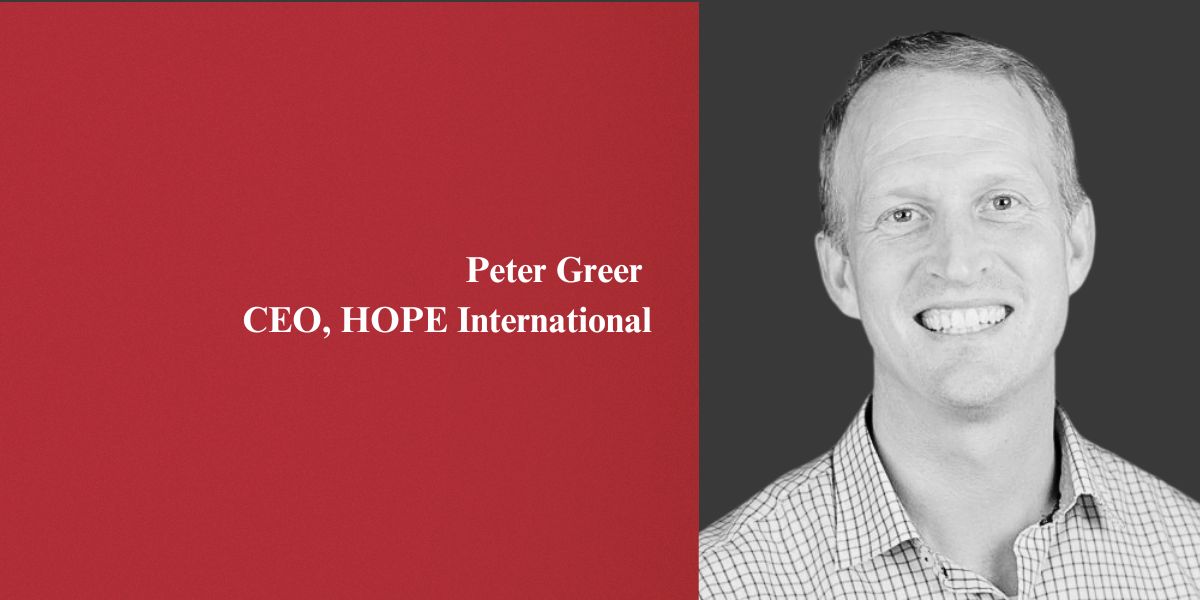
In a world constantly pulling us in different directions, both individuals and organizations face the pervasive threat of mission drift. This insidious process, often subtle and incremental, can lead us away from our core purpose and values, ultimately undermining our impact and legacy. Drawing insights from Peter Greer, CEO of HOPE International and author of 'Mission Drift,' we explore the critical elements required to stay faithful to our mission and avoid losing our way.
The Subtle Slide: Understanding Mission Drift
Mission drift isn't a sudden, dramatic departure; it's a gradual erosion, much like a riptide silently pulling a swimmer out to sea. Greer illustrates this with the fascinating history of pawn shops, which originated in the 15th century as 'Montes Pietatis' – church-founded outreaches to provide short-term cash to the poor, preventing predatory lending. Today, pawn shops often exploit those in need, a stark example of an organization losing its original mission. Similarly, prestigious institutions like Harvard and Yale, founded with explicit Christian missions, have secularized over centuries, demonstrating how even strong initial commitments can wane without vigilant protection.
This drift often stems from a series of small compromises, seemingly insignificant decisions that, when compounded by time, lead to a profound divergence from the original intent. The danger lies in the lack of awareness; often, by the time the drift is recognized, it's a significant challenge to correct course.
Four Pillars of Mission Fidelity
Greer's research into organizations that have successfully maintained their mission for over 50 years reveals four consistent characteristics:
- Conviction: Believing the Mission Matters. The foundational element is a deep, unwavering belief in the mission's importance. If we don't truly believe in what we're doing, we won't be willing to pay the price to protect it. This conviction must be palpable and passionately held, not just a statement on paper.
- Clarity: Defining the Mission with Precision. Beyond belief, there must be crystal-clear articulation of the mission. Ambiguity is the enemy of fidelity. Greer contrasts the Pew Charitable Trust, which drifted from its founder's intent despite strong convictions, with the Henry Kroll Trust, which meticulously documented its founder's passions, ensuring continued alignment. Organizations must actively and repeatedly communicate their mission, ensuring every member understands 'what is our mission and why does it matter?'
- Intentionality: Connecting Daily Decisions to Mission. Mission fidelity is not passive; it requires active, intentional integration into every aspect of an organization's operations. This means aligning people decisions (hiring, development), funding decisions, metrics, and policies with the core mission. Neutrality in decision-making doesn't exist; every choice either moves us closer to or further from our North Star. As one friend told Greer, all his work since 'Mission Drift' has been variations on a theme: "How do we connect mission to all of the other aspects?"
- Succession: Cultivating the Next Generation of Leaders. Organizations are always one generation away from drift. Without intentional focus on training, equipping, and developing future leaders who are deeply aligned with the mission, the legacy is vulnerable. This includes rigorous recruitment processes that prioritize not just competency, but also character, calling, and community alignment. HOPE International, for example, evaluates potential staff on 'five Cs': Christ, calling, character, community, and competency, recognizing that technical skills alone are insufficient to guard against drift.
The Role of Prayer and Community
Greer emphasizes that the most significant intervention to prevent drift, both personally and organizationally, is cultivating a culture of prayer. Prayer realigns us with our mission, inviting divine guidance and preventing compromises. It's a powerful anchor in a world of currents.
Furthermore, the importance of community cannot be overstated. Just as a lone gazelle is vulnerable to predators, individuals and organizations that seek to uphold their mission benefit enormously from networks of accountability and encouragement. Communities help us remember, reinforce, and revive our deepest commitments when the tides of culture or convenience would pull us off course.
Practical Steps to Guard Against Mission Drift
To reinforce mission faithfulness, leaders and organizations can:
- Frequently revisit the mission statement and consult it as a living document.
- Encourage open dialogue about the mission in every level of the organization.
- Assess decisions and strategies in light of the mission—use it as a filter for yes or no choices.
- Build rituals of reflection and prayer into the organization's rhythms and culture.
- Invest in leadership development with explicit emphasis on values and mission alignment.
Mission fidelity does not happen by chance. It is the product of focused, ongoing effort—anchored by conviction, clarity, intentionality, and a commitment to developing the next generation. Organizations that stay the course become beacons of hope, integrity, and impact, leaving a legacy that endures far beyond any one leader or moment.
Written by
Kingdom Factor
Faith-driven executive coaching and peer advisory groups.
Interview with
Peter Greer
President & CEO at HOPE International
Landisville, PA
Continue Reading
More articles in Faith in Business
.jpg) Faith in Business
Faith in BusinessThe Three-Month Fix That Became a Three-Year Turnaround: Steven Flowers on Saving a Family Shelter
Steven Flowers walked into a shelter with less than two months of cash and a live bed bug taped to his door. Three years later, it is serving twice as many families. Here is how a pastor's phone call changed everything.

.jpg) Faith in Business
Faith in BusinessStay Off the Bench: How Kent Evans Is Equipping Dads to Make Disciples
Kent Evans started with a simple question in 2010: what if dads had tools to open Scripture with their sons? Sixteen years later, Manhood Journey reaches over a million people a year.
 Faith in Business
Mary Love-Harris Learned the Hard Way: Christian Doesn't Mean Poor
After years of underpricing her calling and absorbing church hurt, Mary Love-Harris heard God say something that changed everything: 'I never told you to do anything for free.'

WANT TO SHARE YOUR STORY?
Join our community of faith-driven leaders and share how God is working in your business.
Get Started