Leading with Integrity: Dr. Carlita Earl's 27-Year Journey from Classroom to Juvenile Detention
.jpg)
Listen to this article
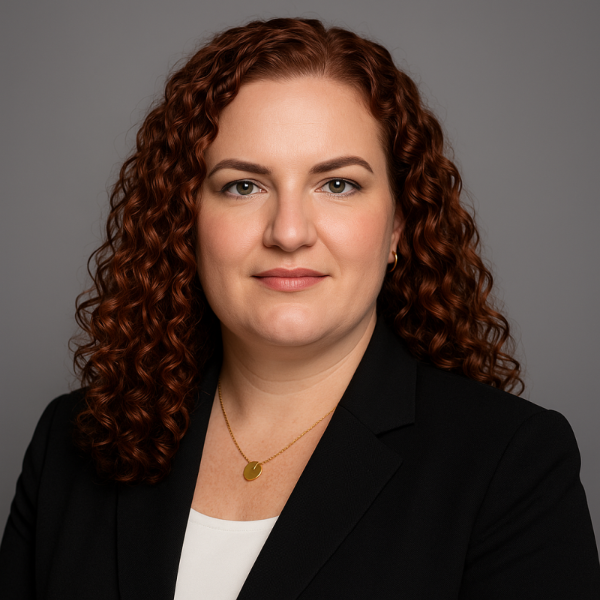
Dr. Carlita Earl walks into a juvenile detention center every morning with a prayer on her lips and a conviction in her heart: God is always watching, and you can't go wrong by doing what's right.
It's a lesson her mother taught her long ago—one that has shaped 27 years in education and led her to one of the most challenging leadership roles in the field. As assistant principal at Covenant Schools Juvenile Detention Center in Michigan, Dr. Earl brings more than credentials to her work. She brings a faith that refuses to separate kindness from accountability, compassion from excellence.
From First Grade Teacher to Juvenile Justice Educator
Dr. Earl's journey began in elementary classrooms, teaching first through third grade for 13 years. Teaching came naturally to her—she was the child her own teacher would ask to show classmates how she figured out problems. That early love of helping others understand became the foundation for everything that followed.
But she wanted to make a difference at a larger scale. So she pursued her master's degree, then her doctorate, moving into administration to serve not just students but their families and fellow educators. She became an instructional specialist, a central office trainer, then a principal—each role expanding her capacity to create change.
Then came the work that would redefine her calling. Dr. Earl earned her PhD in June by writing her dissertation on alternative school teachers' perspectives of African-American males in alternative education. The research wasn't theoretical—it was personal, urgent, and unfinished. It led her directly to Covenant Schools, where she now lives out her findings every day.
I wrote my dissertation on African-American males in alternative education, which brought me here to Covenant Schools Juvenile Detention Center. I got a lot of research here.
When Faith Confronts Compromise
Leading with integrity isn't always comfortable. Dr. Earl has faced moments in large school districts where the easy path would have been to stay quiet, to go along, to not make waves. Fundraisers handled without proper accountability. Gift cards distributed in ways that didn't feel right. Small compromises that could have become large liabilities.
In those moments, her faith didn't give her a script—it gave her clarity. She had to speak up, even when it meant stepping back from opportunities or asking colleagues to rethink their approach. She had to say, "I'm sorry, I can't do this," knowing it might create tension but also knowing something deeper was at stake.
I knew that in my spirit that it probably was not the right thing. And I try to do the right thing every day because my mother told me a long time ago, God is always watching you.
That conviction—that God sees everything, even the small choices no one else notices—has become Dr. Earl's North Star. It's not about perfection. It's about consistency. It's about refusing to separate her Sunday faith from her Monday leadership.
Kindness as Strategy, Compassion as Strength
Every morning before leaving home, Dr. Earl prays for wisdom, courage, and strength. She asks God to help her honor His word in the way she leads. Then she walks into a building where young people are living through trauma, consequences, and uncertainty—and she chooses kindness.
Not kindness that ignores accountability. Not compassion that enables poor choices. But the kind of kindness that sees past behavior to the person underneath. The kind that listens before it corrects. The kind that treats even the most challenging student with dignity because that's how she would want to be treated.
I start off by leaving my home with a prayer, asking God to give me wisdom and the courage and the strength to honor His word. I treat everyone how I would like to be treated.
Her staff notice. Colleagues tell her she's kind, sweet, helpful. But Dr. Earl knows it's more than personality—it's discipline. It's social-emotional awareness grounded in scripture. It's the daily decision to lead the way Jesus led: with truth and grace in equal measure.
Faith That Works Monday Morning
Dr. Earl's advice to other Christian leaders is disarmingly simple: put God first, ask for His guidance, and He will lead you in the right direction. Lead with integrity and kindness, and you will be successful.
But simple doesn't mean easy. It means making the hard call when everyone else is cutting corners. It means showing up with compassion when the student in front of you has tested every boundary. It means believing that the work of juvenile justice isn't separate from the work of the kingdom—it's central to it.
Because if God is always watching, then every interaction matters. Every decision counts. Every young person in that detention center is someone God sees, someone God loves, someone who deserves a leader who won't compromise on what's right.
Dr. Carlita Earl has been in education for 27 years, but she's just getting started. Her research continues. Her compassion deepens. And her faith—the faith that taught her to be kind, to do what's right, to lead with integrity—keeps showing her the way forward.
Continue Reading
More articles in Faith in Business
.jpg) Faith in Business
Faith in BusinessThe Three-Month Fix That Became a Three-Year Turnaround: Steven Flowers on Saving a Family Shelter
Steven Flowers walked into a shelter with less than two months of cash and a live bed bug taped to his door. Three years later, it is serving twice as many families. Here is how a pastor's phone call changed everything.

.jpg) Faith in Business
Faith in BusinessStay Off the Bench: How Kent Evans Is Equipping Dads to Make Disciples
Kent Evans started with a simple question in 2010: what if dads had tools to open Scripture with their sons? Sixteen years later, Manhood Journey reaches over a million people a year.
 Faith in Business
Mary Love-Harris Learned the Hard Way: Christian Doesn't Mean Poor
After years of underpricing her calling and absorbing church hurt, Mary Love-Harris heard God say something that changed everything: 'I never told you to do anything for free.'

WANT TO SHARE YOUR STORY?
Join our community of faith-driven leaders and share how God is working in your business.
Get Started