Beyond Profit: How Kingdom Principles Transform Business Outcomes

In a marketplace often driven by the relentless pursuit of profit, Christian business leaders are called to a higher standard—one that prioritizes pleasing Jesus, embodying generosity, and focusing on who they become rather than just what they achieve. This isn't about sacrificing success; it's about redefining it.
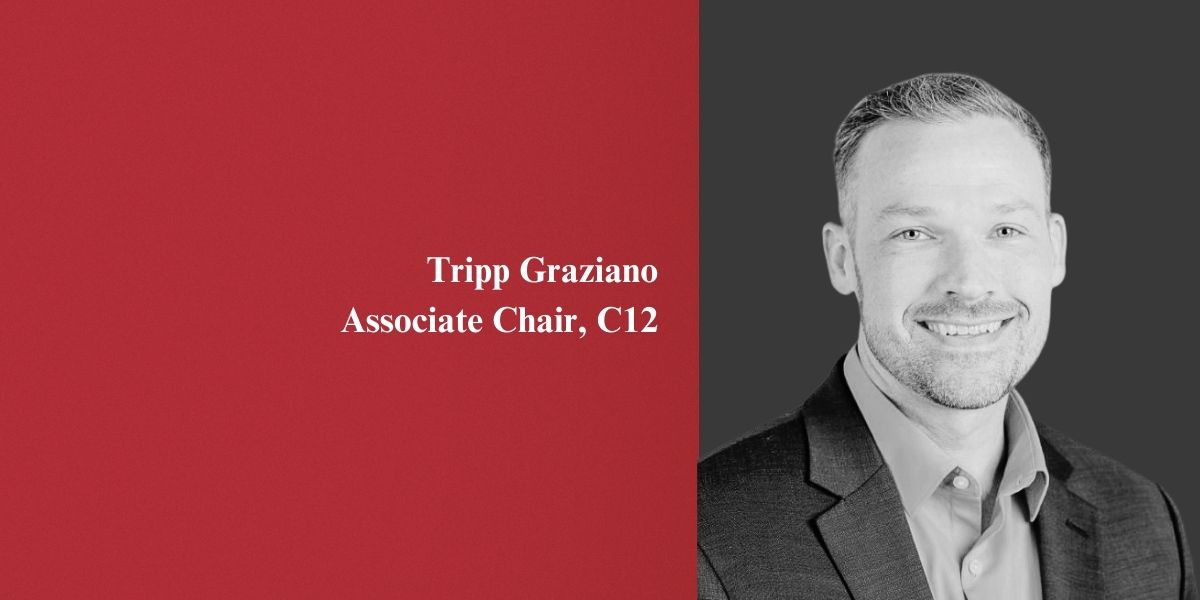
Tripp Graziano, a leader with C12, an organization dedicated to guiding Christian business owners, shares profound insights into integrating faith into daily operations. His journey highlights that true transformation in business begins with a deep, personal commitment to Christ.
The Daily Decision to Please God: A Foundation of Faith
For Tripp, the cornerstone of faith-driven business is a daily, intentional connection with God. "The older I get, the more I am taking seriously his promise that he is with us till the end of the age," he shares. This isn't a passive belief but an active pursuit, beginning each day in prayer and scripture. It's about proactively engaging with God, not just offering Him the 'scraps' of a busy schedule.
This intentionality extends to every interaction. Before meetings, Tripp consciously invites God's wisdom, praying for guidance and for conversations to align with His purposes. This practice transforms ordinary business interactions into opportunities for divine influence, demonstrating a reliance on God's Spirit for wisdom and direction.
Counter-Cultural Decisions: Prioritizing Peace Over Profit
Operating in a competitive world often demands decisions that seem counter-intuitive to conventional business wisdom. Tripp recounts a powerful example involving client membership dues. Despite clients being content with their current payments, Tripp felt a divine prompting to reduce dues for those whose revenue tiers had shifted downwards. "Lord, always do the right thing. I'm your provider, not the membership dues here," was the internal conviction.
This decision, made without client request, highlights a profound principle: prioritizing peace with God over immediate financial gain. "I have such peace of mind being proactive in decisions like that," Tripp reflects. This isn't about being naive; it's about trusting God as the ultimate provider and understanding that true success isn't solely measured by the bottom line, but by alignment with divine principles.
Kingdom Principles of Generosity: The River, Not the Lake
Generosity, a hallmark of Kingdom principles, extends far beyond typical corporate social responsibility. Tripp emphasizes the biblical mandate to give a tithe, but also shares inspiring examples from other Christian leaders who embody radical generosity.
John Davenport of Davenport Engineering operates on what he calls the "river principle." Initially viewing God's provision as a finite lake, he realized it's an unending river. "We can't take enough water out of the river for God not to keep it flowing more and flowing to others," Tripp explains. This perspective liberates leaders to give freely, knowing they cannot out-give God.
Another powerful example comes from Ward Black Law firm, which gave away 10% of its total revenue, not just net profit. This firm strategically aligned its giving with Jesus's teachings, creating a spreadsheet to ensure support for widows, orphans, the poor, and other vulnerable groups. This intentional, systematic generosity led to exponential business growth, demonstrating God's faithfulness to those who honor Him with their resources.
Who We Become Versus Business Outcome: The Ultimate Transformation
The ultimate advice Tripp offers to Christian entrepreneurs is to root their identity in Christ. "God is concerned with who we are as his sons and daughters well before he's concerned with whether we're a business owner or not," he asserts. The greatest responsibility of a Christian, as Robert Murray McShane said, is to remind themselves of the gospel every day.
This means living into the identity of a son or daughter of God, called to do all things in love, not out of obligation, but because Christ has already fulfilled it. When leaders operate from this place of secure identity, they experience a "pressure release valve." They are freed from the anxiety of having to produce specific outcomes, trusting that God will take care of the results.
"He's more concerned with his son or daughter than he is with any kind of outcome from a circumstance," Tripp concludes. This profound truth allows Christian leaders to make decisions with peace, relying on God's power rather than their own, and ultimately experiencing a deeper, more fulfilling transformation in both their lives and their businesses.
Written by
Opeyemi Abe
Kingdom Factor Coach helping leaders integrate faith and business for lasting impact.
Interview with
Tripp Graziano
Associate Chair at C12
Continue Reading
More articles in Faith in Business
.jpg) Faith in Business
Faith in BusinessThe Three-Month Fix That Became a Three-Year Turnaround: Steven Flowers on Saving a Family Shelter
Steven Flowers walked into a shelter with less than two months of cash and a live bed bug taped to his door. Three years later, it is serving twice as many families. Here is how a pastor's phone call changed everything.

.jpg) Faith in Business
Faith in BusinessStay Off the Bench: How Kent Evans Is Equipping Dads to Make Disciples
Kent Evans started with a simple question in 2010: what if dads had tools to open Scripture with their sons? Sixteen years later, Manhood Journey reaches over a million people a year.
 Faith in Business
Mary Love-Harris Learned the Hard Way: Christian Doesn't Mean Poor
After years of underpricing her calling and absorbing church hurt, Mary Love-Harris heard God say something that changed everything: 'I never told you to do anything for free.'

WANT TO SHARE YOUR STORY?
Join our community of faith-driven leaders and share how God is working in your business.
Get Started