KF Best Practice - Developing a Personal Strategic Plan

Listen to this article
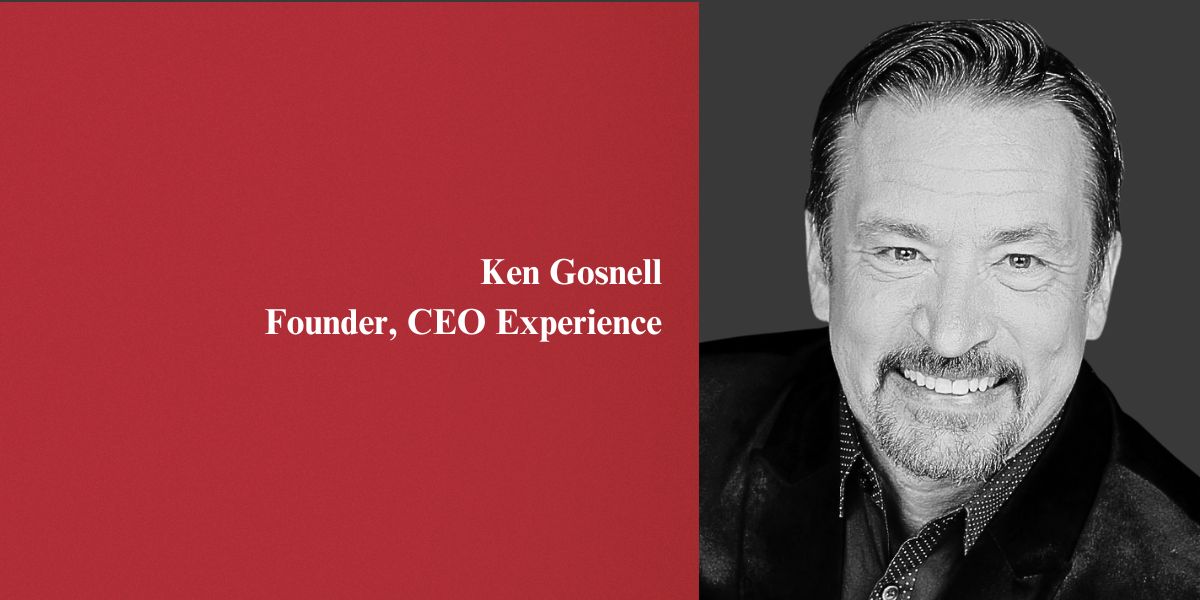
In the journey of leadership and personal growth, it's easy to get caught between concentration and mere curiosity. Ken Gosnell, from CEO Experience, highlights a critical distinction: true focus aligns with divine calling, while unchecked curiosity can lead us astray. Drawing from biblical wisdom and practical business insights, Gosnell presents four essential questions that leaders must consistently ask themselves to cultivate a dynamic vision, enhance effectiveness, and make a lasting Kingdom impact.
The Growth Question: What Am I Learning (or Need to Learn)?
Leaders often mistakenly believe they've reached a saturation point in their learning. This mindset, akin to the adage "old dogs can't learn new tricks," is a fundamental flaw that can hinder both personal and organizational growth. God calls us to dynamic growth and consistent improvement, not stagnation. Just as Eve learned about good and evil in the Garden, every experience, even mistakes, offers a lesson. The key is to actively seek out these lessons.
Gosnell challenges leaders to reflect monthly on their most significant growth area. What has God been teaching you in the last 30 days? This isn't just about business acumen, but also spiritual and personal development. He suggests picking a business topic (e.g., customer service, AI), a fruit of the Spirit (e.g., gentleness, patience), and a personal area (e.g., being a better spouse, parent) to focus on for the year. This intentional pursuit of learning ensures continuous evolution, preventing leaders and their organizations from becoming stagnant. When leaders stop growing, their organizations stop growing, and their personal relationships suffer. There is always something new to learn, whether it's new technology, market shifts, or biblical principles like going the second mile or practicing the Golden Rule.
The Innovation Question: What's Changing?
Many leaders miss opportunities for innovation because they fail to recognize or adapt to the changes happening around them. The Bible is replete with examples of God initiating change and calling His leaders to respond. From Noah building an ark in a desert to Moses encountering a burning bush, and David confronting Goliath, God's movements often involve significant shifts. Elijah, after a great victory, fell into depression, failing to see God's continued work and the thousands who still worshipped Him. God asked Elijah, "What are you doing here?" – a question that prompts us to recognize divine activity and align with it.
For leaders, this means actively scanning the horizon for market shifts, evolving customer perspectives, and emerging technologies. Instead of resisting change, we are called to be at the forefront, leveraging these shifts for Kingdom impact. Gosnell shares a powerful anecdote of a business owner whose 80-year-old company, founded on biblical principles, had never seen a single conversion. By asking "What needs to change to honor God more?" the owner was challenged to actively share his faith, leading to four salvations within a year. This demonstrates that paying attention to what God is changing opens doors for unprecedented spiritual breakthroughs in the marketplace. We must ask, "God, what are you doing? What are you changing that I need to pay attention to?" because God wants us to get on board with His work, not create our own.
The Focus Question: What's God Asking Me to Do?
With so many demands on a leader's time and energy, clarity of focus is paramount. This question narrows down the vastness of vision to the most critical tasks God has called us to complete within a specific timeframe, typically the next year. It's not always about building bigger businesses; sometimes, God's focus for us is deeply personal – rebuilding a marriage, nurturing children's faith, or reaching a neighbor for Christ.
Moses, overwhelmed by the task of confronting Pharaoh, was asked by God, "What is in your hand?" This simple question redirected Moses' focus from his perceived inadequacies to the tools and power God had already provided. Similarly, leaders must identify their top priorities, understanding that a clear leader brings clarity to the entire organization. Jesus' most important task for three years was training his disciples, demonstrating the profound impact of focused investment in team development. By concentrating on one or a few critical tasks, leaders can accomplish more and, ultimately, hear the coveted "Well done, good and faithful servant."
The Win Question: What's the Biggest Breakthrough or Win I Can Celebrate?
Leadership can be challenging, filled with negatives and obstacles. It's easy to become disillusioned. However, God calls us to focus on the positive, to give Him praise and thanksgiving. This "win question" builds momentum and shifts our mindset. David, the greatest leader, wrote Psalms of praise. Noah built an altar after the flood. Abraham praised God for Isaac's rescue. These biblical figures understood the power of celebrating God's goodness.
Gosnell encourages a daily practice of gratitude. Start the day by anticipating five things to look forward to, and end it by reflecting on five moments of joy or blessing, giving thanks to God. These might not be the planned events, but often unexpected delights that reveal God's surprising hand. This practice cultivates a positive attitude, fuels personal momentum, and helps leaders overcome difficulties by focusing on God's faithfulness. Celebrating wins, no matter how small, reinforces the belief that God is at work and provides the energy to continue leading effectively.
By consistently asking these four questions – Where am I learning? What's changing? What's God asking me to do? What can I celebrate? – leaders can align their vision with God's, navigate challenges with clarity, and make a profound, lasting impact in their lives, businesses, and communities.
Written by
Kingdom Factor
Faith-driven executive coaching and peer advisory groups.
Interview with
Ken Gosnell
Owner at CEO Experience
Lakelan, FL
Continue Reading
More articles in Faith in Business
.jpg) Faith in Business
Faith in BusinessThe Three-Month Fix That Became a Three-Year Turnaround: Steven Flowers on Saving a Family Shelter
Steven Flowers walked into a shelter with less than two months of cash and a live bed bug taped to his door. Three years later, it is serving twice as many families. Here is how a pastor's phone call changed everything.

.jpg) Faith in Business
Faith in BusinessStay Off the Bench: How Kent Evans Is Equipping Dads to Make Disciples
Kent Evans started with a simple question in 2010: what if dads had tools to open Scripture with their sons? Sixteen years later, Manhood Journey reaches over a million people a year.
 Faith in Business
Mary Love-Harris Learned the Hard Way: Christian Doesn't Mean Poor
After years of underpricing her calling and absorbing church hurt, Mary Love-Harris heard God say something that changed everything: 'I never told you to do anything for free.'

WANT TO SHARE YOUR STORY?
Join our community of faith-driven leaders and share how God is working in your business.
Get Started