KF Best Practice - The Rituals of Leadership

Listen to this article
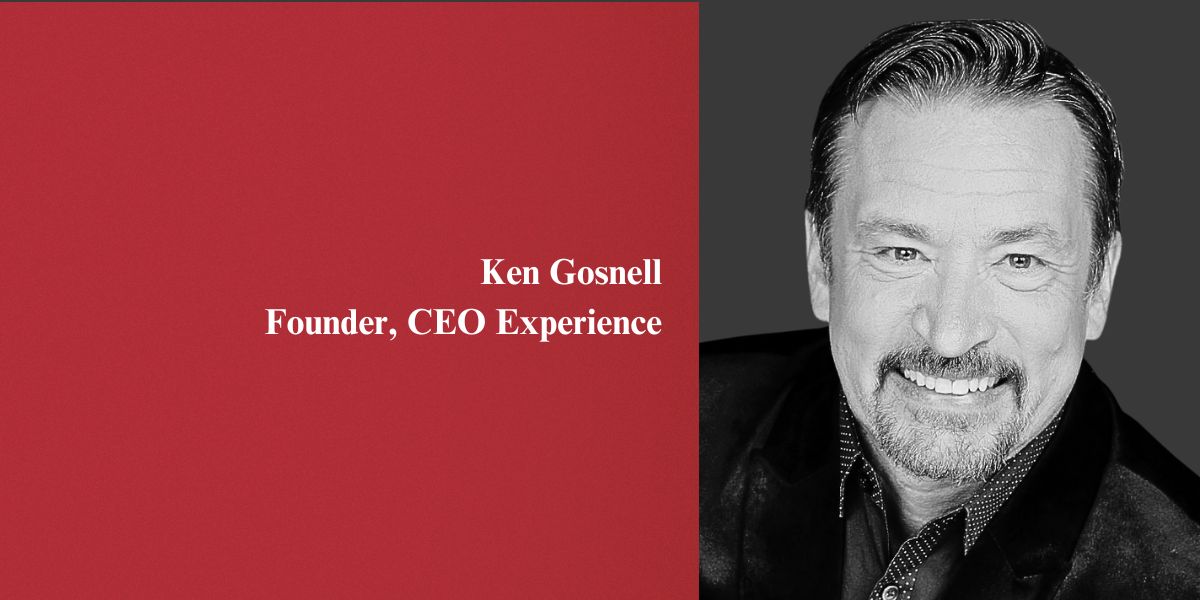
Great businesses are built on consistency, and so are great leaders. Ken Gosnell emphasizes that consistency in product, process, and people is what makes businesses thrive. He extends this to personal leadership, highlighting the importance of consistent principles and rituals in our lives and businesses. Drawing inspiration from John Maxwell's "Today Matters," Gosnell underscores that true change begins with daily habits.
Four Kingdom Rituals for Transformational Leadership
He then delves into four foundational rituals, inspired by the Genesis account of Adam and Eve, that are crucial for transformational leadership:
Ritual 1: Make Your Work Meaningful
Every day, our work should transcend mere tasks and become an act of significance. Just as God designed Adam to steward the Garden of Eden, we are God's handiwork, created for good works prepared in advance (Ephesians 2:10). This perspective transforms mundane tasks into opportunities to serve God's kingdom. Gosnell shares a powerful anecdote of a hotel general manager who, after years of dissatisfaction, rediscovered the profound impact of her work by focusing on the legacy created through events like weddings and family reunions hosted at her hotel. This shift in perspective, from just selling rooms to facilitating cherished memories, brought renewed purpose and engagement. When we view our work through a Kingdom lens, every action, from sending an email to solving a problem, becomes meaningful.
Ritual 2: Establish the Ritual of Explaining Why
Understanding and articulating our "why" is paramount. God clearly communicated Adam's purpose: to work and care for the Garden. This clarity provided Adam with a measurable objective, allowing him to discern daily whether he was fulfilling God's purpose. When leaders lose their "why," they often lose their way. Gosnell passionately shares his own "why": to serve Christian business owners, encouraging them to use their businesses to enhance God's kingdom and be the best disciples for Jesus Christ in the marketplace. He recounts the story of a business owner who, after years of feeling his work was "godforsaken," embraced his "why" and transformed his business into a beacon of faith, leading many employees to salvation. This demonstrates the immense impact of aligning our work with God's purpose.
Ritual 3: Learn the Beauty of Boundaries
Boundaries, often perceived as restrictive, are in fact beautiful frameworks that foster focus and success. God set a clear boundary for Adam and Eve regarding the Tree of Knowledge. For leaders, establishing clear boundaries is essential to prevent burnout and maintain focus on core priorities. Gosnell cites examples like Chick-fil-A's decision to close on Sundays, allowing employees time for family and worship, and Alan Barnhart's commitment to giving away profits above a certain financial finish line to missions. These boundaries, born from conviction, have not hindered success but rather propelled it. Practical boundaries can include prioritizing your spouse as your number one customer, actively listening to customer feedback, making rest and renewal a priority, and investing in mentoring others.
Ritual 4: Avoid Making the Move to Rigidity
While rituals are vital, leaders must guard against the trap of rigidity. Eve's addition to God's command – "you must not touch it" – illustrates how good intentions can lead to false standards and ultimately, confusion and disobedience. Rigid leaders move from showing discernment to being judgmental, from expressing authenticity to arrogance, from developing creativity to demanding control, and from bold beliefs to bad beliefs. True leadership embraces healthy rituals without becoming inflexible. As John Mackey, co-founder of Whole Foods, noted, "less was more" when it came to rules, emphasizing the importance of healthy rituals over rigid regulations. Leaders must constantly assess whether their habits are fostering growth and flexibility or leading to an unyielding, counterproductive rigidity.
Conclusion
In conclusion, by embracing these four Kingdom rituals – making work meaningful, understanding and explaining our "why," establishing beautiful boundaries, and avoiding rigidity – leaders can cultivate a life and business that are not only successful but also deeply aligned with God's transformative purpose.
Written by
Kingdom Factor
Faith-driven executive coaching and peer advisory groups.
Interview with
Ken Gosnell
Owner at CEO Experience
Lakeland, FL
Continue Reading
More articles in Faith in Business
.jpg) Faith in Business
Faith in BusinessThe Three-Month Fix That Became a Three-Year Turnaround: Steven Flowers on Saving a Family Shelter
Steven Flowers walked into a shelter with less than two months of cash and a live bed bug taped to his door. Three years later, it is serving twice as many families. Here is how a pastor's phone call changed everything.

.jpg) Faith in Business
Faith in BusinessStay Off the Bench: How Kent Evans Is Equipping Dads to Make Disciples
Kent Evans started with a simple question in 2010: what if dads had tools to open Scripture with their sons? Sixteen years later, Manhood Journey reaches over a million people a year.
 Faith in Business
Mary Love-Harris Learned the Hard Way: Christian Doesn't Mean Poor
After years of underpricing her calling and absorbing church hurt, Mary Love-Harris heard God say something that changed everything: 'I never told you to do anything for free.'

WANT TO SHARE YOUR STORY?
Join our community of faith-driven leaders and share how God is working in your business.
Get Started