Beyond the Script: How Faith Shapes a Filmmaker's Decisions and Leadership

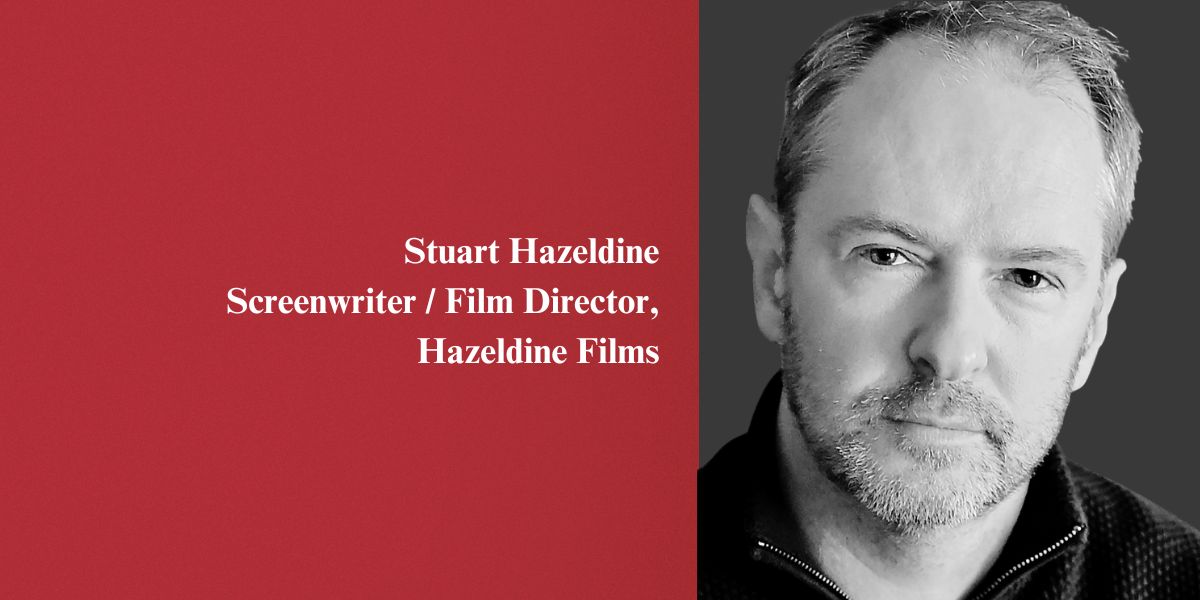
Stuart Hazeldine, a screenwriter and filmmaker known for The Shack (2017) and Exam (2009), offers a compelling look into how his faith has profoundly influenced his career, from the stories he chooses to tell, to his approach to leadership and collaboration. His journey, marked by both creative ambition and deep spiritual conviction, provides invaluable insights for leaders and entrepreneurs seeking to integrate their faith into their professional lives.
The Genesis of a Calling: When Passion Meets Purpose
Hazeldine's path into filmmaking wasn't a calculated career move but a profound sense of calling. From a young age, he was captivated by cinema, devouring films and writing extensive stories. Yet, the idea of a career in film seemed distant until a pivotal moment in college. "I had one of those, you know, light bulb moments... this is what I was born to do," he recalls. This realization wasn't just about talent or interest; it was a deep conviction that filmmaking was his purpose, a plan God had for him. This conviction transformed his perception of risk; if it was God's plan, it would happen, and that eliminated the fear of failure.
He describes his relationship with God not as one of rigid obedience, but as a playful, collaborative partnership, much like a father and child building Lego together. "God likes playing with us through life," he explains. This perspective allows for both divine guidance and personal desire to co-exist, shaping his choices in a way that feels authentic and purposeful.
Decision-Making: The Green Light of Divine Guidance
When it comes to project selection, Hazeldine speaks of "flashing green lights" – moments of clear divine affirmation for certain projects. While not every project receives such a clear sign, these moments serve as crucial guideposts. He recounts instances where he felt compelled to take on projects, even when the path was arduous. "I'm doing this because of the green flashing light... I've got to follow it through to the end," he reflects. This unwavering commitment, rooted in his faith, has seen him through challenging times, reminding him of the deeper purpose behind his work.
His faith also informs his willingness to say 'no' to projects, even those with significant financial incentives. He recalls turning down hundreds of thousands of dollars, not out of an abundance of wealth, but out of a commitment to ethical integrity. "Your ethics only mean something when you suffer by enforcing them," he asserts. This principle, he argues, is a true test of one's convictions, distinguishing genuine adherence from mere convenience. This selective approach has, paradoxically, helped him curate a career that aligns with his values, making it clear what he stands for and what he won't compromise on.
Collaboration and Leadership: The Ethic of Love in Business
Hazeldine expresses a common frustration among Christians in business: the disconnect between Sunday ethics and weekday practices. He champions a fully integrated approach, mirroring Jesus' consistent character. "He was a fully integrated person, that he said what he was, he was what he did," Hazeldine states. This integration, he believes, is crucial for authentic Christian leadership.
At the heart of his business ethics is the principle of love. He emphasizes that true love requires consent and cannot be achieved through manipulation or bullying. "If you try to bully them or if you try to manipulate them, then you are in a state of not love," he explains. This means treating employees and collaborators as "children of God," even within the transactional nature of business relationships. He challenges the notion that business is purely Darwinian, advocating for a creative application of love in all interactions.
He shares a powerful example from a business leader who advised him on firing employees: instead of simply letting someone go, actively seek to connect them with opportunities that align with their skills. "That is, you actively doing something that softens the blow of letting them go," he says. This proactive kindness, he argues, is a tangible expression of love and a unique selling proposition for Christians in the marketplace.
Expanding the Kingdom Through Unnecessary Lavish Kindness
Hazeldine encourages Christian leaders to broaden their understanding of how they can "expand the kingdom of God." For him, the kingdom is a "frame of mind," a way of living characterized by loving relationships. He contrasts this with the "world's ethics" of power dynamics and self-interest, which he sees as antithetical to Christian values.
His ultimate advice is to practice "unnecessary lavish kindness with literally no expectation of ever receiving anything back." This, he believes, is the unique selling point of Christians. Such acts of kindness, because they are unexpected, leave a lasting impact, reminding people how they were made to feel. This isn't about earning heavenly points, but about embodying the inherent goodness of love and relationship for their own sake.
Stuart Hazeldine's journey is a testament to the transformative power of integrating faith into every aspect of one's professional life. His insights challenge leaders to move beyond conventional business practices, embracing a model of leadership rooted in purpose, ethical integrity, and the profound, active principle of love.
Written by
David Luzquiños
Kingdom Factor Coach | Walnut Creek, CA | 20+ yrs in tech | Passionate about building teams that unlock creativity, purpose & growth.
Interview with
Stuart Hazeldine
Screenwriter / Film Director at Hazeldine Films
Walnut Creek, CA
Continue Reading
More articles in Faith in Business
.jpg) Faith in Business
Faith in BusinessThe Three-Month Fix That Became a Three-Year Turnaround: Steven Flowers on Saving a Family Shelter
Steven Flowers walked into a shelter with less than two months of cash and a live bed bug taped to his door. Three years later, it is serving twice as many families. Here is how a pastor's phone call changed everything.

.jpg) Faith in Business
Faith in BusinessStay Off the Bench: How Kent Evans Is Equipping Dads to Make Disciples
Kent Evans started with a simple question in 2010: what if dads had tools to open Scripture with their sons? Sixteen years later, Manhood Journey reaches over a million people a year.
 Faith in Business
Mary Love-Harris Learned the Hard Way: Christian Doesn't Mean Poor
After years of underpricing her calling and absorbing church hurt, Mary Love-Harris heard God say something that changed everything: 'I never told you to do anything for free.'

WANT TO SHARE YOUR STORY?
Join our community of faith-driven leaders and share how God is working in your business.
Get Started