KF Best Practice - Leading a Concentrated Life

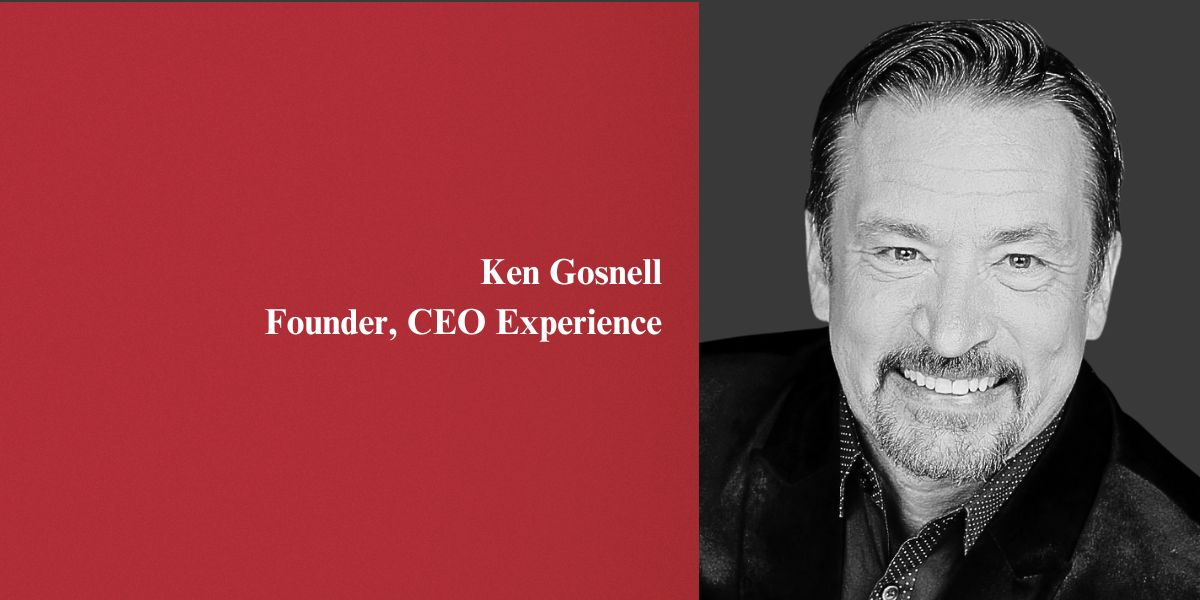
In a world constantly pulling us in multiple directions, the pursuit of a 'balanced life' often feels like an elusive dream. Ken Gosnell challenges this conventional wisdom, suggesting that true fulfillment and effectiveness come not from perfect balance, but from living a 'centered life' – one deeply aligned with God's purpose. This article explores four powerful 'C' questions that can guide leaders, entrepreneurs, and growth-minded individuals toward this concentrated, purposeful existence.
Beyond Balance: The Power of Centeredness
Many of us strive for an ideal 50/50 split across various life domains – work, family, spiritual growth, personal well-being. However, as Ken Gosnell points out, this notion of balance can be misleading. Biblical figures like Moses, Noah, David, and even the Apostle Paul, were often intensely focused on specific tasks or callings, appearing 'unbalanced' by modern standards. Yet, it was in these moments of concentrated effort, guided by divine direction, that they achieved their greatest impact. Their lives demonstrate that God often calls us to periods of intense focus, rather than perpetual equilibrium. The challenge lies in discerning and embracing these divine assignments, rather than resisting them in pursuit of an artificial balance.
The Genesis of Uncenteredness: A Cautionary Tale
The story of Adam and Eve in the Garden of Eden serves as a powerful illustration of what happens when we lose our centeredness. God gave them clear, specific tasks: name the animals, tend the garden, and be fruitful and multiply. They were perfectly aligned with His will. However, Eve became 'uncentered,' allowing distraction and temptation to shift her focus from God's clear instructions. This led to disobedience, doubt, and ultimately, a loss of their purpose and place. This narrative highlights the critical importance of maintaining clarity and focus on what God has specifically called us to do, lest we, too, lose sight of our divine assignments.
The Four 'C' Questions for a Centered Life
To help us navigate the complexities of life and remain centered, Ken Gosnell proposes four key questions, all beginning with the letter 'C':
1. Clarity: "Where am I spending my time and my thoughts?"
This foundational question forces us to examine our mental and temporal investments. Are we directing our energy towards God-given purposes, or are we consumed by fear, worry, and anxiety? The parable of the talents illustrates this vividly: the faithful servants invested their resources wisely, while the unfaithful one buried his talent, consumed by fear. Jesus' teachings in Matthew 5 echo this, urging us not to worry about tomorrow, but to trust in God's provision. Peter's walk on water further emphasizes this point: his focus on Jesus allowed him to defy gravity, but once he looked at the stormy waves, he began to sink. Our focus determines our reality. To regain clarity, we must ask ourselves what God wants us to learn and where He wants our attention.
God teaches us in four distinct ways:
- Me Learning: Discovering personal insights and revelations from God's word, tailored specifically for us.
- De-Learning: Unlearning old habits, fears, anxieties, and limiting beliefs that hinder our growth and obedience. This is crucial for both personal and business transformation.
- Re-Learning: Re-engaging with fundamental truths and principles that God reiterates, deepening our understanding and application.
- We Learning: Recognizing that some lessons can only be learned in community, through shared experiences and collective wisdom, as exemplified by the disciples and the church.
2. Change: "What do I need to change in my life or my business?"
Centeredness often requires an honest assessment of what needs to shift. Are there unhealthy habits, thought patterns, or even business practices that are pulling us away from God's will? Just as businesses must adapt through 'environmental scanning' to remain relevant, individuals must be willing to identify and change aspects of their lives that create imbalance. This might involve adjusting sleep patterns, addressing addictions, or re-evaluating priorities. David's willingness to confront Goliath, despite his youth and inexperience, stemmed from his centeredness and his trust in God. He had changed his perspective from fear to faith, enabling him to step into his divine assignment with confidence.
3. Capacity: "What do you want me to do with it?"
This question addresses our finite resources – time, energy, and abilities. God doesn't expect us to do everything, but to focus on what He has specifically called us to do within our current capacity. The principle of "know your order, work your order" is paramount. In business, there are nine key areas, but we cannot effectively focus on all of them simultaneously. Jesus taught us to "seek first His kingdom and His righteousness," implying a clear order of priorities. By asking God what our most important task is for the day, or even the month, we can concentrate our efforts and achieve meaningful progress. The anecdote of making room for an unexpected encounter illustrates this beautifully: sometimes, God's most important work for us is not on our meticulously planned schedule, but in the divine interruptions we embrace.
4. Celebration: "How can I give praise and thanksgiving to God?"
The final 'C' question shifts our attention to gratitude. When we are off-centered, we often dwell on what's wrong. However, focusing on God's goodness and celebrating His blessings is a powerful way to regain perspective and joy. Psalm 118:24 reminds us that "This is the day the Lord has made; let us rejoice and be glad in it." God promises to give us something to rejoice about every day. By intentionally acknowledging our 'wins' – in relationships, health, personal growth, business, and spiritual walk – we cultivate a spirit of thanksgiving that re-centers us. The story of the ten lepers highlights this: only one returned to give thanks, demonstrating a heart aligned with God's grace. Asking the right questions, like those of celebration, can reorient our hearts and minds, leading to a life filled with purpose and praise.
Conclusion: The Journey to a Centered Life
Living a centered life is an ongoing journey of intentionality, humility, and obedience. It's about consistently asking these four 'C' questions – Clarity, Change, Capacity, and Celebration – to ensure our focus remains on God's will. By doing so, we move beyond the frantic pursuit of an elusive balance and step into the powerful, purposeful existence God designed for us. This is the path to true transformation, where every day becomes an opportunity to hear God's voice, align with His purpose, and experience the profound joy of a life well-lived in His service.
Written by
Kingdom Factor
Faith-driven executive coaching and peer advisory groups.
Interview with
Ken Gosnell
Owner at CEO Experience
Lakeland, FL
Continue Reading
More articles in Faith in Business
.jpg) Faith in Business
Faith in BusinessThe Three-Month Fix That Became a Three-Year Turnaround: Steven Flowers on Saving a Family Shelter
Steven Flowers walked into a shelter with less than two months of cash and a live bed bug taped to his door. Three years later, it is serving twice as many families. Here is how a pastor's phone call changed everything.

.jpg) Faith in Business
Faith in BusinessStay Off the Bench: How Kent Evans Is Equipping Dads to Make Disciples
Kent Evans started with a simple question in 2010: what if dads had tools to open Scripture with their sons? Sixteen years later, Manhood Journey reaches over a million people a year.
 Faith in Business
Mary Love-Harris Learned the Hard Way: Christian Doesn't Mean Poor
After years of underpricing her calling and absorbing church hurt, Mary Love-Harris heard God say something that changed everything: 'I never told you to do anything for free.'

WANT TO SHARE YOUR STORY?
Join our community of faith-driven leaders and share how God is working in your business.
Get Started