KF Best Practice - The Rituals of Leadership

Listen to this article
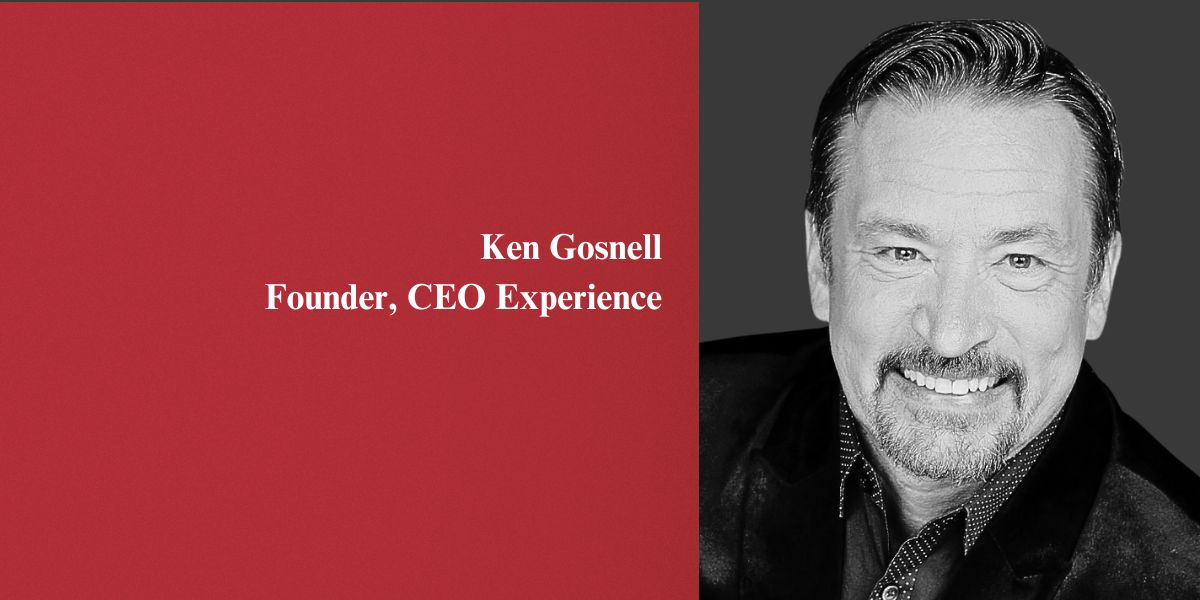
Great businesses are built on consistency – consistent products, processes, and dedicated employees. As leaders, we must ask ourselves: are we consistent? Have we embraced the critical principles that foster consistency in our lives and businesses? Ken Gosnell of CEO Experience reminds us that consistency often comes through establishing powerful rituals, not just in faith, but in our professional lives too.
John Maxwell, in his book "Today Matters," famously stated, "You'll never change your life until you change something you do on a daily basis." This underscores the profound impact of daily habits and rituals. But what are these transformative rituals, and how can we integrate them into our leadership journey? Drawing inspiration from the earliest accounts in Genesis, we can identify four foundational rituals that God established for Adam and Eve, which remain profoundly relevant for leaders today.
Ritual 1: Make Your Work Meaningful
Every day, our work should transcend mere tasks; it should be an act of significance. God designed Adam for a specific purpose: to steward the Garden of Eden. This wasn't just labor; it was meaningful work. As Ephesians 2:10 reminds us, "For we are God’s handiwork, created in Christ Jesus to do good works, which God prepared in advance for us to do." This means every day holds an opportunity for divine purpose.
For Christian leaders, this perspective is transformative. It shifts our focus from simply completing projects or closing sales to seeking God's kingdom in every interaction. Whether it's offering an encouraging word, sending a thoughtful email, or sharing faith, every action can carry eternal significance. Adam's task of naming animals and tending the garden had a lasting impact, shaping the world for generations. Similarly, our daily work, when viewed through a kingdom lens, contributes to a greater legacy.
Years ago, Ken Gosnell encountered a hotel general manager who was deeply disengaged, viewing her work as a monotonous cycle of complaints and room sales. By helping her see the profound impact her hotel had on people's lives – hosting weddings, family reunions, and honeymoons – he helped her reconnect with the meaningful legacy she was building. Her perspective shifted from drudgery to purpose, transforming her attitude and her team's engagement. When we recognize ourselves as God's workmanship, called to good works, every task, no matter how small, becomes meaningful.
Ritual 2: Establish the Ritual of Explaining Why
Just as God clearly articulated Adam's purpose in Genesis 2:15 – "The Lord God took the man and put him in the Garden of Eden to work it and take care of it" – every business and leader must understand and articulate their "why." Adam knew his objective: to work and care for the garden. This clear purpose provided a daily measure of success.
When leaders lose their "why," they often lose their way. Eve, in Genesis, began to stray when she forgot her primary purpose in the garden. For Ken, his "why" is to serve Christian business owners, empowering them to use their businesses to enhance God's kingdom. He believes that by influencing business leaders, he can impact countless employees, customers, and communities, transforming the marketplace for Christ. This passion fuels his daily work and drives him to encourage others to see their businesses as powerful platforms for faith.
Ritual 3: Learn the Beauty of Boundaries
God set a clear boundary for Adam and Eve: not to eat from the tree of the knowledge of good and evil. While leaders often resist boundaries, viewing them as restrictive, they are, in fact, beautiful tools for focus and success. Boundaries define what we will and will not do, ensuring we remain aligned with our purpose.
Consider Truett Cathy of Chick-fil-A, who set the boundary of not working on Sundays to prioritize family and faith. This decision, initially made by a small entrepreneur, shaped a global brand and became a testament to his values. Similarly, Alan Barnhart of Barnhart Crane and Rigging set a financial boundary, committing to give away all profits above a certain threshold to missions. His company has since grown exponentially, now donating millions monthly to global missions. Jeff Buckman, author of "God Owns My Business," uses credit card bonus points from his business to fly missionaries around the world, a powerful boundary that transforms corporate benefits into kingdom impact.
Boundaries can be personal too: making your spouse your top relational priority, always listening to the voice of the customer, or prioritizing rest and renewal. God rested on the seventh day, setting a divine example for us. By intentionally setting boundaries, we protect our priorities and ensure our work remains aligned with God's design.
Ritual 4: Avoid the Move from Ritual to Rigidity
While rituals are essential, there's a fine line between healthy habits and rigid rules. Eve's downfall began when she added to God's command, telling the serpent they couldn't even touch the forbidden tree. This self-imposed rigidity created a false standard that ultimately led to her deception.
Great organizations and leaders begin to decline when they become rigid, listening only to their own thoughts and expectations. They move from challenging the status quo to demanding control, from expressing authenticity to arrogance, and from developing creativity to stifling it. As leaders, we must be discerning, not judgmental. We must foster an environment where creativity thrives, rather than imposing unnecessary rules that breed resentment and limit potential.
Harvey, the founder of Whole Foods, championed a flat structure with "only a few rules that matter," emphasizing healthy rituals over rigid regulations. This approach allows for innovation and growth while maintaining core values. We must constantly evaluate if our habits are serving as healthy rituals or if they have morphed into rigid constraints that hinder progress and dampen the spirit.
Conclusion
Adam and Eve's journey in the Garden offers profound insights for modern leaders. By embracing meaningful work, understanding and articulating our "why," establishing healthy boundaries, and avoiding the trap of rigidity, we can cultivate leadership that is not only successful but also deeply fulfilling and eternally impactful. These four biblical rituals are not just good habits; they are pathways to a transformed life and a thriving business, aligning our efforts with God's divine purpose.
Written by
Kingdom Factor
Faith-driven executive coaching and peer advisory groups.
Interview with
Ken Gosnell
Founder at CEO Experience
Lakeland, FL
Continue Reading
More articles in Faith in Business
.jpg) Faith in Business
Faith in BusinessThe Three-Month Fix That Became a Three-Year Turnaround: Steven Flowers on Saving a Family Shelter
Steven Flowers walked into a shelter with less than two months of cash and a live bed bug taped to his door. Three years later, it is serving twice as many families. Here is how a pastor's phone call changed everything.

.jpg) Faith in Business
Faith in BusinessStay Off the Bench: How Kent Evans Is Equipping Dads to Make Disciples
Kent Evans started with a simple question in 2010: what if dads had tools to open Scripture with their sons? Sixteen years later, Manhood Journey reaches over a million people a year.
 Faith in Business
Mary Love-Harris Learned the Hard Way: Christian Doesn't Mean Poor
After years of underpricing her calling and absorbing church hurt, Mary Love-Harris heard God say something that changed everything: 'I never told you to do anything for free.'

WANT TO SHARE YOUR STORY?
Join our community of faith-driven leaders and share how God is working in your business.
Get Started