KF Best Practice - Recruiting When Payroll is Tight

Listen to this article
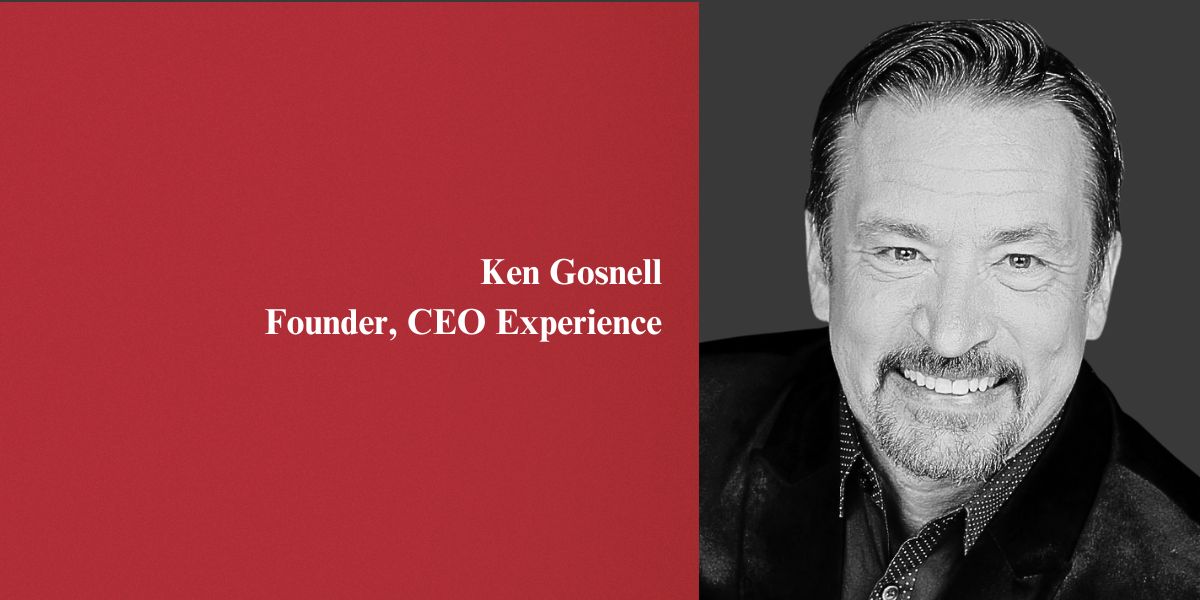
In today’s competitive landscape, small businesses often find themselves struggling to attract and retain top talent, especially when competing with larger corporations that boast substantial recruiting budgets and higher salaries. However, as Ken Gosnell, CEO of CEO Experience, highlights, the solution isn’t always about matching the highest offer. Drawing inspiration from the biblical account of Micah and the Levite in Judges 17, Gosnell reveals six creative, non-monetary strategies that empower small businesses to build exceptional teams.
The core challenge, as many business owners express, is finding “good people” or “the right person.” This difficulty often stems from unclear job descriptions, a lack of prayerful discernment in the hiring process, and impatience. Gosnell emphasizes the importance of precise job descriptions, focusing on the top three essential requirements rather than a lengthy list of responsibilities. He also stresses the critical role of cultural fit, citing the example of the Indianapolis Colts, where good character alone isn’t enough; skill and performance are equally vital. The ideal candidate possesses both “integrity of heart and skillful hands,” a principle echoed in Psalm 78:72.
But how can small businesses, with their often-tight payrolls, compete for these “unicorns”? Gosnell offers a refreshing perspective, rooted in God’s economy, which suggests that businesses have more resources and advantages than they realize. Here are six practical, creative strategies:
1. Offer Unpaid Days Off: Flexibility as a Valued Benefit
When direct financial compensation is limited, offering unpaid days off can be a powerful incentive. This strategy caters to the younger generation’s desire for greater control over their schedules. Unlike traditional vacation days, these flexible days can be taken at an employee’s discretion (within a defined process), allowing them to manage personal and family needs. This approach not only provides a valuable employee benefit but also reduces payroll costs. As demonstrated by a company that went from unprofitable to profitable by implementing this, it can be a win-win, fostering loyalty and even increasing productivity on surrounding workdays, much like Chick-fil-A’s Sunday closure model.
2. Elevate Your Purpose: Beyond Profit to Impact
Many Christian companies undervalue the power of their purpose. Whether explicitly faith-driven or focused on a noble cause, clearly articulating your organization’s mission can be a significant differentiator. Gosnell shares the compelling story of an engineering firm that manufactured infrared targets. Initially, the CEO struggled to define his company’s purpose beyond making a product. Through deep reflection and prayer, he realized their true mission was “to save soldiers’ lives.” This profound purpose became a powerful magnet, retaining a top performer who turned down a $25,000 higher offer from another firm, stating, “They don’t have a noble purpose like what we have.” Companies produce profit, but purpose uses profit for good, inspiring and motivating employees beyond monetary gain.
3. Stress the Importance of Individuality: Personalized Growth
Small businesses have a unique advantage in their ability to offer individual attention and foster personal and professional growth. Unlike large corporations where employees can feel like cogs in a machine, smaller teams can tailor development plans. Gosnell draws a parallel to Jesus, who individually called and mentored each of his 12 disciples. This personalized approach, focusing on an employee’s unique gifts and talents, can lead to custom-created roles that maximize their potential. This mentorship and personal connection are invaluable, fostering a sense of belonging and investment in the individual’s journey.
4. Highlight Training Opportunities and Personal Development: Investing in People
Beyond formal training, small businesses can offer creative development opportunities. This could include reading allowances, book allowances, or conference allowances.
Gosnell cites Dee Ann Turner, former HR executive for Chick-fil-A, who emphasized that Chick-fil-A’s commitment to “learning and developing” its employees was a key factor in her 33-year tenure. This investment can extend beyond job-specific skills to holistic personal growth, such as sponsoring an employee and their spouse to attend a marriage conference. The belief is that a well-rounded, whole individual will be a better performer. This demonstrates genuine care and provides opportunities for growth that many employees crave.
5. Offer Creative, Profit-Driven Incentives: Reward Performance and Contribution
Implementing a “pay-for-performance” model can be highly effective. This involves incentivizing employees not just for sales, but for any contribution that drives profitability, such as referrals, new customer acquisition, or cost savings.
Gosnell shares the remarkable story of a food distribution company where a warehouse employee went 10 years without an error, saving the company nearly a million dollars. To reward this exceptional dedication, the CEO bought him a new $60,000 truck. This act of recognition not only motivated the employee but also became a powerful recruiting tool, demonstrating the company’s commitment to rewarding excellence. Creative incentives can include extended paid vacations for long-term employees, with additional spending money, as seen in a software company that significantly reduced turnover with this approach.
6. Offer Benefits that Benefit Both Company and Employee: Strategic Value Creation
Think creatively about benefits that offer mutual advantages. This could include offering remote work options, which became prevalent during COVID-19, allowing companies to reduce office space costs while employees saved on commuting.
Another innovative example is offering full life insurance policies for employees. One company paid the premiums, and if an employee stayed for a certain duration, they would split the proceeds. Even if an employee left, they retained the policy. In a moving instance, when an employee passed away, the company gave the entire proceeds to the family, who were overwhelmed by the unexpected support. Such creative benefits demonstrate deep care and build lasting loyalty.
Conclusion: Competing Beyond Compensation
In conclusion, attracting and retaining top talent in a small business environment doesn’t always require outspending the competition. By embracing creativity, prioritizing purpose, fostering individual growth, offering meaningful development opportunities, implementing profit-driven incentives, and designing mutually beneficial benefits, small businesses can build thriving teams that are deeply committed and highly productive. It’s about thinking like Micah, who, despite limited resources, offered a compelling vision and a place of belonging, ultimately attracting and retaining valuable talent.
Written by
Kingdom Factor
Faith-driven executive coaching and peer advisory groups.
Interview with
Ken Gosnell
Owner at CEO Experience
Lakeland, FL
Continue Reading
More articles in Faith in Business
.jpg) Faith in Business
Faith in BusinessThe Three-Month Fix That Became a Three-Year Turnaround: Steven Flowers on Saving a Family Shelter
Steven Flowers walked into a shelter with less than two months of cash and a live bed bug taped to his door. Three years later, it is serving twice as many families. Here is how a pastor's phone call changed everything.

.jpg) Faith in Business
Faith in BusinessStay Off the Bench: How Kent Evans Is Equipping Dads to Make Disciples
Kent Evans started with a simple question in 2010: what if dads had tools to open Scripture with their sons? Sixteen years later, Manhood Journey reaches over a million people a year.
 Faith in Business
Mary Love-Harris Learned the Hard Way: Christian Doesn't Mean Poor
After years of underpricing her calling and absorbing church hurt, Mary Love-Harris heard God say something that changed everything: 'I never told you to do anything for free.'

WANT TO SHARE YOUR STORY?
Join our community of faith-driven leaders and share how God is working in your business.
Get Started