KF Best Practice - Shiny Trinkets

Listen to this article
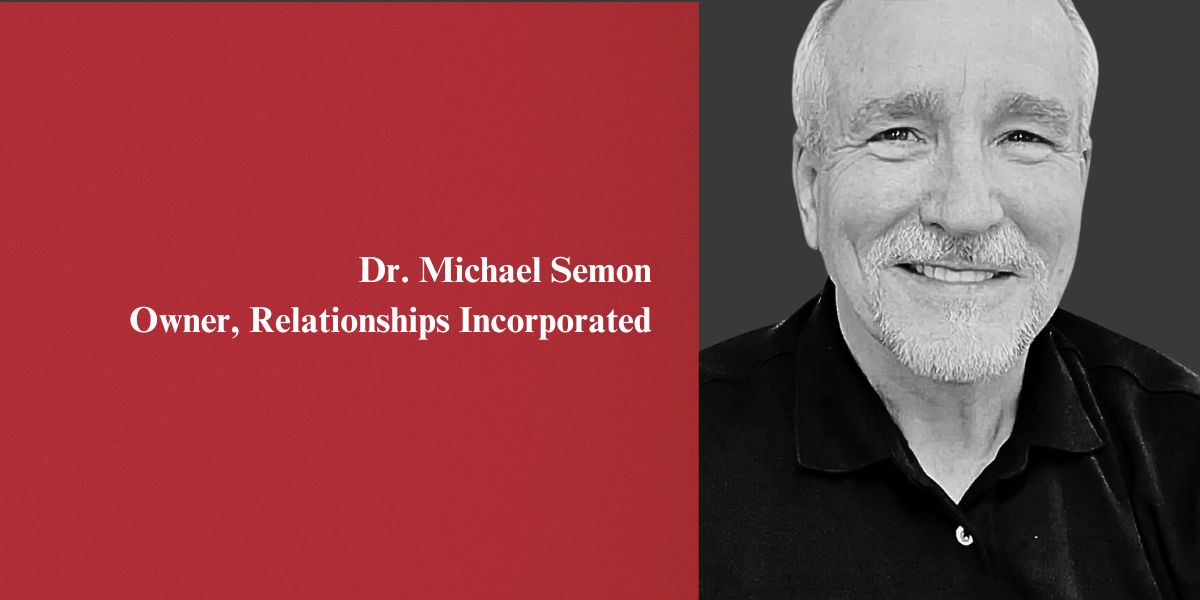
In a world constantly vying for our attention with "shiny trinkets" – immediate gratification, material possessions, or even spiritual blessings sought for selfish gain – Dr. Michael Semon challenges us to look deeper. Drawing from his 40 years of experience in marriage and family therapy, Dr. Semon unveils a profound truth: true fulfillment and authentic relationships, whether with God, our spouses, children, or employees, stem from a fundamental shift in perspective. It's about moving beyond what we can get and embracing the transformative power of knowing and valuing others for their own sake.
The "Shiny Trinket" Syndrome: A Childhood Pattern Persisting in Adulthood
Dr. Semon introduces the concept of "shiny trinkets" through a relatable childhood scenario: a child begging for toys at Walmart. This seemingly innocent behavior highlights a core human tendency: to use others as a means to our own ends, valuing things over people. While this is a normal stage of childhood development, it becomes problematic when it persists into adulthood, manifesting in our most significant relationships. We often approach God, our partners, and even our professional connections with a "what's in it for me?" mindset, seeking salvation, grace, or an easier life, rather than seeking to know them intrinsically.
This "2-year-old message" – "As long as you meet my every want and need, you love me; if not, you must not love me" – subtly dictates our interactions. It leads to presumption, where we expect others (or God) to fulfill our desires without genuine engagement. Dr. Semon provocatively asks: "Could these be the shiny trinkets we want from God instead of knowing God for God's sake?" He points to Matthew 7:21-23, where Jesus declares, "I never knew you," to those who performed mighty works in His name but lacked a true relationship. This serves as a stark reminder that actions, however impressive, are hollow without authentic connection.
The Illusion of Fairness: A Path to Despair
Many relationships are built on the shaky foundation of "fairness," a concept Dr. Semon meticulously dissects. Fairness, he explains, has two sides: what you owe another person and what you feel you deserve from them. This transactional approach, he argues, is a "pattern of this world" (Romans 12:2) that ultimately leads to emotional fusion and a stifling of individual identity. When we operate from a place of owing and deserving, we create an environment where:
- Obligation reigns: We feel compelled to give or receive, not out of genuine desire, but out of a sense of duty, leading to resentment.
- Leverage is perceived: Innocent gestures can be misconstrued as attempts to manipulate or control, further eroding trust.
- Resentment festers: When our expectations of fairness are unmet, we blame others, leading to bitterness and a sense of being mistreated.
- Emptiness and despair emerge: Constantly striving to "measure up" or be "good enough" to satisfy an external standard depletes us, leaving us exhausted and devoid of genuine connection.
This "below the line" existence, as Dr. Semon describes it, leaves no room for differences or disagreements. It suffocates the very essence of individuality, leading to a profound sense of despair. The solution, he emphasizes, is not to try harder or do more, but to recognize our spiritual emptiness and allow life to be breathed into us.
Embracing Freedom and Responsibility: The Path Above the Line
To move "above the line" of giving and receiving, we must shift from a fairness-based model to one rooted in freedom and 100/100 responsibility. This means:
- Giving and Receiving Freely: The ideal is to give without expectation and receive with genuine gratitude, free from the burden of obligation.
- Knowing Others for Their Sake: This involves a conscious effort to understand and appreciate individuals beyond their roles or what they can provide. It's about seeing their intrinsic value as God's creation.
- Embracing Disagreement as Growth: Instead of viewing conflict as chaotic or negative, we can see it as an opportunity for innovation, critical thinking, and deeper understanding. This requires maturity and assertiveness with a higher purpose, where the goal is the good of the relationship or company, not personal victory.
- Operating from a 100/100 Responsibility Framework: In this paradigm, both individuals take full responsibility for their lives and contributions. Anything a partner does is a gift, not an expectation, fostering gratitude and alleviating the burden of a 50/50, zero-sum mentality.
- Humility and Self-Emptying: True humility isn't thinking less of yourself, but thinking of yourself less. It's about emptying ourselves of our own agendas to be fully present for others, recognizing that our identity is found in Christ, not in what we can gain or achieve.
- Living Hope and Fidelity: The ultimate goal is to maintain fidelity with God as the source of all gifts, rather than being seduced by the gifts themselves. This leads to personal integrity, steadfastness, and a life filled with hope, the antithesis of despair.
Dr. Semon's message is a powerful call to transform our relationships by challenging deeply ingrained patterns of self-centeredness and transactional thinking. By moving beyond "shiny trinkets" and embracing a posture of genuine connection, freedom, and responsibility, we can cultivate relationships that are not only authentic and fulfilling but also reflect the transformative love of Christ.
Written by
Kingdom Factor
Faith-driven executive coaching and peer advisory groups.
Interview with
Dr. Micheal Semon
Owner at Relationships Incorporated
Birmingham, AL
Continue Reading
More articles in Faith in Business
.jpg) Faith in Business
Faith in BusinessThe Three-Month Fix That Became a Three-Year Turnaround: Steven Flowers on Saving a Family Shelter
Steven Flowers walked into a shelter with less than two months of cash and a live bed bug taped to his door. Three years later, it is serving twice as many families. Here is how a pastor's phone call changed everything.

.jpg) Faith in Business
Faith in BusinessStay Off the Bench: How Kent Evans Is Equipping Dads to Make Disciples
Kent Evans started with a simple question in 2010: what if dads had tools to open Scripture with their sons? Sixteen years later, Manhood Journey reaches over a million people a year.
 Faith in Business
Mary Love-Harris Learned the Hard Way: Christian Doesn't Mean Poor
After years of underpricing her calling and absorbing church hurt, Mary Love-Harris heard God say something that changed everything: 'I never told you to do anything for free.'

WANT TO SHARE YOUR STORY?
Join our community of faith-driven leaders and share how God is working in your business.
Get Started