Beyond Principles: Dr. Eliyahu Lotzar's Journey of Working with God in Business
Listen to this article
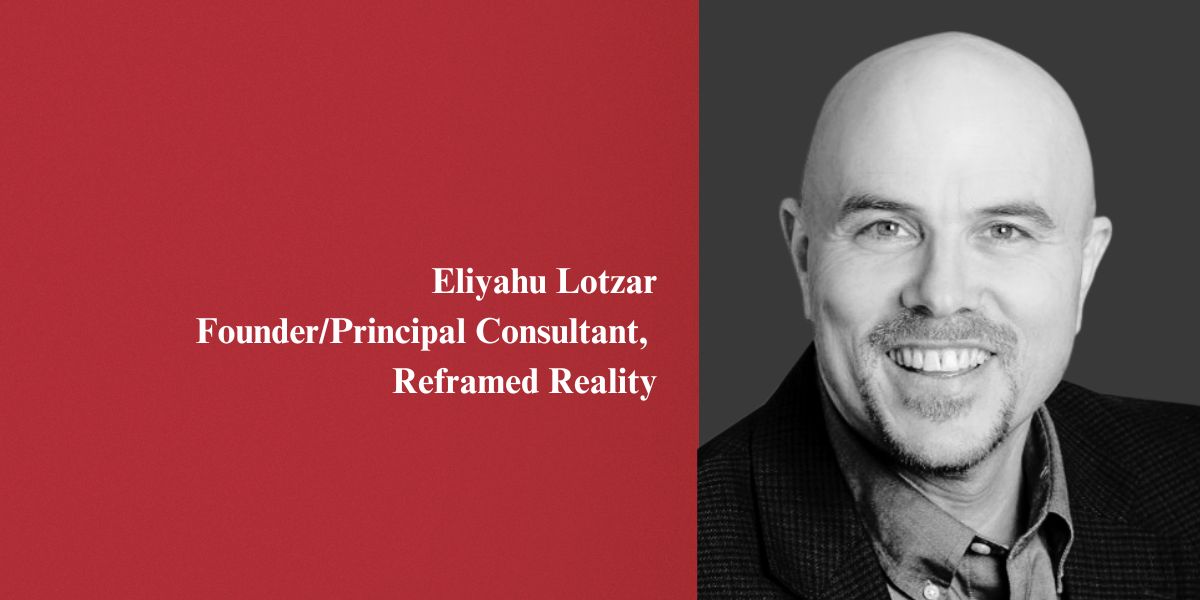
In a world often driven by self-reliance and strategic planning, Eliyahu Lotzar, founder of Reframed Reality, offers a compelling counter-narrative: a business built not just on principles, but on a dynamic, personal relationship with God. His journey, deeply rooted in faith, reveals a transformative approach to leadership, decision-making, and success that goes far beyond conventional wisdom.
Eliyahu's company, Reframed Reality, helps leaders see situations, themselves, and their organizations through new lenses, fostering growth and alignment with core values. His diverse background, spanning social work, entrepreneurship, and higher education, culminated in the launch of Reframed Reality in 2019. This rich tapestry of experience, however, is merely the foundation upon which his faith has built a truly unique enterprise.
The Guiding Scripture: Psalm 72
For Eliyahu, the essence of his faith in business is encapsulated in Psalm 72, King David's prayer for his son Solomon. This scripture, which speaks of a king who judges with righteousness, defends the poor, and brings prosperity, resonates deeply with Eliyahu's mission. He interprets 'poor' not just as those lacking financial resources, but as anyone lacking in any quality of experience when compared to what God can bring. "We're all poor in our ability to do things in a way that brings amazing glory, because you and me, in our own strength, only have so much. But God, who is absolutely not poor, he is rich in all things, can bring and does bring to those who call on him, all sorts of riches." This perspective fuels his desire to connect people with God, recognizing that true blessing and success flow from intimacy with God.
Leading Leaders with Integrity and Love
Eliyahu's leadership role is primarily about leading other leaders. Whether working with faith-oriented individuals or those without a spiritual inclination, his approach centers on challenging them to bring the greatest value, rooted in concepts such as integrity, honesty, authenticity, and a genuine love of making life better for others. He coaches leaders towards a 'level five leadership' – a concept from Jim Collins' 'Good to Great' – which he defines as a life lived for the love and betterment of others. This means embedding environments of mutual trust and respect, even in the often-cutthroat business world.
He recalls a powerful example where his faith guided an organizational president to step down for the good of the organization. After a few months of coaching, the president understood that his personal vision did not align with the broader needs of the company. This act of surrender, driven by integrity and a commitment to the greater good, was a testament to the transformative power of humility. The President went on to a more fulfilling leadership role elsewhere and the organization increased in integrity and performance.
Time, Talent, and Treasure: Not My Own
For Eliyahu, the concept of ownership is radically redefined by his faith. "It is not my time, it is not my talent, it is not my treasure," he asserts. Instead, he views these as belonging to God, to be stewarded according to His will. This profound shift in perspective is the cornerstone of his financial and operational decisions. His recent book, Working with God: The Ten Modes of Elevated Leadership, is a direct outcome of this conviction, a project he undertook because he felt the Lord’s leading.
This commitment extends beyond tithing; it influences every aspect of his life and business. When faced with opportunities or challenges, his primary question is not 'What do I want?' but 'What does God want?' Maintaining this intimacy with God means being open to unexpected turns and discerning when God orchestrates events beyond human comprehension.
Beyond Religion: A Living Relationship with God
Eliyahu draws a clear distinction between being a religious person who applies principles and having a living, active relationship with God in business. "If I am just... I'm good with God when I go to church on Sunday, and, you know, maybe even I read a devotional now and then... that's very different than I want a relationship with the living God in me." He emphasizes that God is deeply interested in the 'nuts and bolts' of business, not just spiritual platitudes.
This relationship empowers leaders to move beyond merely being 'nice' to embracing a deeper, God-inspired approach. It might mean implementing profit-sharing programs, adjusting compensation structures, or making decisions that prioritize the well-being of employees over conventional business metrics. It's about recognizing that God’s heart is neither automatically for the good of management nor automatically for the good of the employee. A leadership submitted to the Lord is far more effective at handling multiple interests in the short term and generating good in multiple places in the long term.
God in the Marketplace: Friend, Helper, and Sovereign Lord
Eliyahu's experience of God in the marketplace is multifaceted. He describes God as a "friend helper" in daily operations, offering guidance on practical matters – the 'who, what, when, where, why, and how' of business. This intimate connection provides strength to make difficult decisions, like letting go of an employee, with the assurance that God is in control.
But God also moves as the "sovereign of the universe," orchestrating opportunities and challenges that human effort alone could never achieve. Eliyahu recounts the story of a CEO whose company rapidly expanded, only to face a sudden contract termination. Through prayer and trust, God moved to place nearly all of the laid-off employees in new positions within a month – an outcome that that CEO could not have achieved on his own.
God's intervention isn't always about immediate success or comfort. Sometimes, it involves watching with relative peace as difficult situations unfold, which will prompt a deeper reliance on Him. Eliyahu shares stories of leaders who lost everything, only to find God as their "very strong friend," using those trials to refine their character and reorient their priorities, ultimately leading to a more mature and impactful life.
Hearing God's Voice: Practice and Passion
For those seeking to be led by God in business, Eliyahu stresses the importance of both passion and practice. "You have to have the desire... to please God," he states. This desire fuels the commitment to actively discern God's leading. He encourages observing circumstances, asking if God might be behind seemingly coincidental events. He shares a personal anecdote of selling his book, "Working with God," at a state fair, where one day the Governor and the next day a formerly homeless individual approached him wanting to talk about Jesus at work. In the one instance, Eliyahu could not have orchestrated that; in the next, he would not have thought to. The message he heard: trust God with your networking, your BD, your service, your sales, and your soul.
Crucially, Eliyahu emphasizes repeated reading of the Bible. "The Bible is the word of God, and it's... different than the word of everybody else." He believes that through consistent engagement with scripture, one can generally discern God's heart, pace, and characteristics, allowing for a clearer understanding of His will in specific situations, including leadership situations. It is a continuous process of practice, discernment, and a willingness to act on what is heard, even if, or especially when it involves risk. No guts? No glory.
The One Piece of Advice: Love God, Love Man, Love Yourself
If Eliyahu could offer one piece of advice to aspiring entrepreneurs and business leaders, it would be this: "Love God, love man… and you too, my friend, are a man." He clarifies that 'man' refers to all human beings, encompassing the crucial elements of loving God, loving others, and loving oneself. "If you can manage those three things... He'll take you the rest of the way."
Written by
Kingdom Factor
Faith-driven executive coaching and peer advisory groups.
Interview with
Dr. Eliyahu Lotzar
Founder, Principal Consultant at Reframed Reality
Herndon, VA
Continue Reading
More articles in KF Coaches
 KF Coaches
Soaring on Faith: How James Lybarger Integrates Prayer, Integrity, and Purpose in Business
James C. Lybarger integrates faith into business through prayer, integrity, and generosity. He coaches leaders to discover their calling, maintain honesty over profit, and see challenges as divine redirection. His book "Soar Like an Eagle" guides entrepreneurs to align purpose with practice.

.jpg) KF Coaches
KF CoachesDon’t Lead Alone: The Decision That Changed My Business—and My Faith
Mark Clevenger shares how leading Quintegra revealed the isolation of leadership and the power of a trusted Christian peer group. A defining faith decision reshaped his business and led him to co-found Kingdom Factor—helping leaders gain counsel, clarity, and not lead alone

.jpg) KF Coaches
KF CoachesThe Leader No One Sees: How Jen Marr-Burkholder Redefines Impact from Behind the Scenes
Jen Marr-Burkholder never stands on stage at Kingdom Factor, yet her influence touches every coach and member. Her story challenges what we think leadership really looks like.

WANT TO SHARE YOUR STORY?
Join our community of faith-driven leaders and share how God is working in your business.
Get Started