From Zero Revenue to Kingdom Impact: How Adam Obrecht Built a Wealth Firm on Faith and Forward Motion
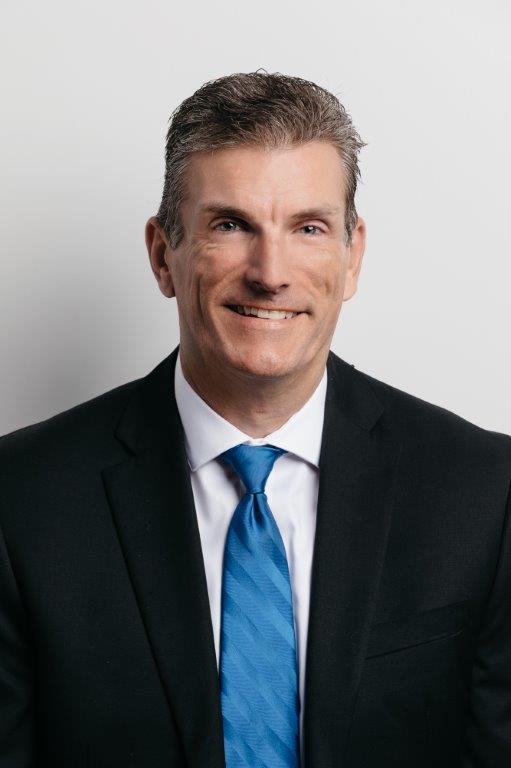
.jpg)
Some decisions take months of analysis. Adam Obrecht made one of the biggest of his life in five seconds.
When the CPA firm where he worked announced it was moving its wealth division to Los Angeles, Adam didn't agonize. He didn't build a spreadsheet. He said no — and then started building something of his own. His wife was five months pregnant with their second child. He had a calling.
Sixteen years later, AO Wealth Advisory stands as a testament to what happens when you stop waiting for every light to turn green and start moving forward in faith.
The Third Time Was the God Time
Adam is quick to point out that launching his own firm wasn't a snap decision — it was the culmination of a years-long process of discernment. He had looked at starting something twice before. The timing was never right. The circumstances never aligned.
"The third time, God basically said there's no other option — this is your only option left," Adam recalls. The LA move closed one door completely. The only real choices were to merge with another firm or build his own. Building his own felt obvious.
"It was prioritizing family over career. My wife and I had a four-and-a-half-year-old at home, another one on the way, and we weren't leaving Des Moines. Family was going to win that battle."
That clarity — the kind that only comes after years of prayer, preparation, and patience — is what Adam points to as the signature of a God-directed decision. It wasn't reckless. It was seasoned.
Where Faith and Finance First Converged
The seeds of AO Wealth Advisory were actually planted several years earlier on a beach in Jamaica. Adam and his wife had joined a mission trip called Mission with a Purpose — half service, half sabbath. He picked up a book called Christian Business Leaders and read profiles on Zig Ziglar and Larry Burkett, the man widely credited with launching the faith-and-finance movement in the late 1970s.
That book cracked something open in him. "I realized my vocation and my calling don't have to be separate," Adam says. "I don't have to be working inside a church to have a calling."
That conviction now shapes everything about how he runs his practice. AO Wealth Advisory — which stands for Alpha Omega Wealth Advisory — weaves biblical principles into every client conversation, whether the client knows it or not.
"Divide your assets in seven or eight is a biblical principle from Ecclesiastes 11:2. The financial planning industry calls it diversification. There are over 2,000 scripture verses on money — and they're all still relevant."
Adam is also a member of Kingdom Advisors, the organization that grew from Burkett's legacy and focuses on financial planning from a kingdom perspective. But he's careful to describe his practice as "seeker friendly." Clients who share his faith will recognize the framework. Clients who don't will simply hear financial counsel. Either way, the principles hold.
Building a Team God's Way
AO Wealth Advisory now has a staff of five. Each of the firm's core values is anchored to a scripture verse — displayed on the office walls, not hidden in a back room. "Do the right thing" has the verse Matthew 7:12 behind it. "Be willing to learn new things" has a verse of Proverb 2:10 as its basis. The values are public. The scriptures are for the team.
Adam doesn't require his employees to attend church, but he creates space for faith to breathe naturally. "What was the sermon about? What podcast have you been listening to? What are you thinking about?" Those questions, he argues, are welcome in any workplace — and they open more doors than most leaders realize.
His approach to hiring mirrors his theology. When he brought on Eric — now his business partner — Eric was juggling part-time financial coaching with overnight forklift shifts at Costco to pay the bills. Adam saw the situation clearly.
"Come be my back office person. I can pay you better than Costco and get you some hours. After about four months of that, we said — you just need to be full time."
Adam didn't run ads. He didn't post job listings. He trusted that God would bring the right people at the right time — and then acted decisively when they showed up. "Those are places God has shown up," he says, "bringing opportunities and people to us instead of us always having to go out and find them the hard way."
The Lesson Adam Would Tell His 25-Year-Old Self
If he could sit across the table from a younger version of himself — or from any Christian entrepreneur just stepping out in faith — Adam's message is direct: stop over-analyzing and start moving.
"Analysis paralysis is what I'd point to," he says. "You don't need to know the end goal. You just need to know the general direction and keep moving forward."
He references Bruce Wilkinson's parable The Dream Giver — a story about pressing through the wilderness even when the destination isn't fully visible. He also talks about the practical discipline of protecting his own energy. Early in the business, every Wednesday afternoon was his. He chose Wednesday intentionally: leaving early on Fridays raised eyebrows, but slipping away Wednesday and returning calls Thursday morning? People just assumed he was busy.
"When you start something, five o'clock doesn't always mean the end of the day. Sunday nights become Monday mornings really fast. What was that one priority that week that helped make the other days work better?"
Rest, he argues, isn't a reward for finishing — it's a requirement for sustaining. Proverbs understood margin. So should we.
Wealth, Stewardship, and a Church That Gets It Wrong
One of the more candid moments in Adam's story comes when he addresses a painful tension in many faith communities: the quiet shaming of wealth.
"Rightly acquired wealth is a great blessing — to the owner, to God as the one who entrusted it, and to society as a whole," Adam says without apology. "Those with wealth shouldn't be shunned because they've built it. That's not a principle we ascribe to."
He points to Mary Magdalene as a possible example — a wealthy widow whose resources may have functionally supported Jesus' ministry. The money had to come from somewhere. God moves through stewards.
"He wants a cheerful giver. He wants your heart in the process — not just your dollars. The dollars are just a function of the rest."
His advice to clients and fellow believers alike: don't build bigger barns, but don't feel guilty growing wealth either. Learn the difference. Then give generously, invest wisely, and let the kingdom benefit from both.
Don't Be Afraid to Show Your Faith
Adam closes with the kind of advice that only comes from sixteen years of living it out in the marketplace — not from a stage, not from a seminary, but from a Des Moines office where scripture hangs on the walls and client estate documents get prayed over before they get filed.
"Don't be afraid of showing your faith. So many people fear that someone won't use them because of it. What they don't see is how many people will use them because of it. If you're standing on good, solid principles — you're fine."
Adam Obrecht didn't become a wealth advisor despite his faith. He became a better one because of it. And for the Christian leader still waiting at the stoplight, his message is clear: the car steers better when it's already moving. Take the step. Trust the One who called you. Keep moving forward.
Written by
Charles Anderson
Kingdom Factor Coach in Iowa with decades of financial leadership experience, passionate about equipping Christian leaders to grow and make Kingdom impact.
Continue Reading
More articles in Faith in Business
.jpg) Faith in Business
Faith in BusinessThe Fan Blade That Changed Everything: Byron Low on Loving People Without a Drum to Beat
A curious engineer on his lunch hour became an executive coach. Byron Low explains why he follows God's nudges, loves people first, and refuses to trust in chariots.

.jpg) Faith in Business
Faith in BusinessThe Three-Month Fix That Became a Three-Year Turnaround: Steven Flowers on Saving a Family Shelter
Steven Flowers walked into a shelter with less than two months of cash and a live bed bug taped to his door. Three years later, it is serving twice as many families. Here is how a pastor's phone call changed everything.

.jpg) Faith in Business
Faith in BusinessStay Off the Bench: How Kent Evans Is Equipping Dads to Make Disciples
Kent Evans started with a simple question in 2010: what if dads had tools to open Scripture with their sons? Sixteen years later, Manhood Journey reaches over a million people a year.
WANT TO SHARE YOUR STORY?
Join our community of faith-driven leaders and share how God is working in your business.
Get Started