From the Big Ten to Victory Ranch: How Al Lorenzen Built Two Businesses on Faith, Grit, and Servant Leadership
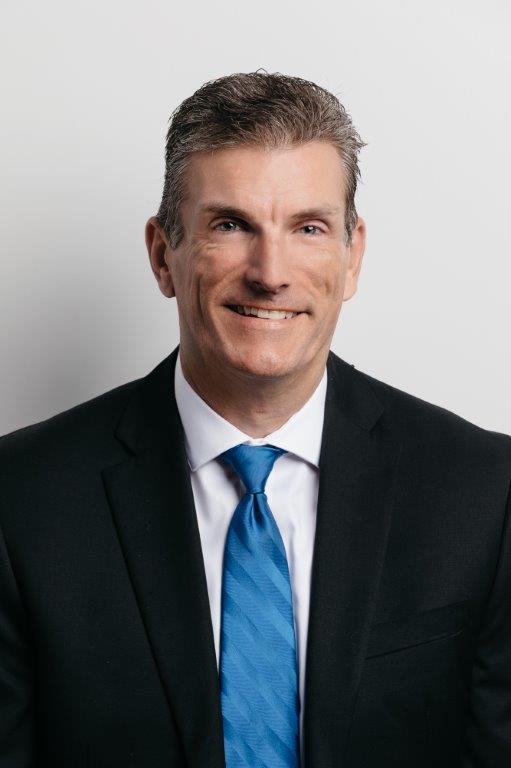
.jpg)
There was a season in Al Lorenzen's life when success looked exactly like what the world said it should. Big Ten basketball. Notoriety. Recognition. The kind of platform most people dream about.
But something was missing. "There wasn't much joy in many aspects of that," Al says now, looking back. "It fed my ego and the selfish part of me." The wins were real. The emptiness was too.
Fast-forward a few decades, and Al stands on something entirely different — 22 acres of Iowa ground that started as a sod farm and is now Victory Ranch, home to Godspeed Equine, a faith-based nonprofit serving at-risk kids through horses. Alongside it, he runs Business Brokers Incorporated, a brokerage that helps small business owners across Iowa navigate one of the most emotionally charged transitions of their lives. Two very different enterprises. One unmistakable thread running through both.
Building Something That Didn't Exist Yet
Godspeed Equine didn't begin with a strategic plan. It began with Kelly — now Al's wife — volunteering at Wildwood Hills Ranch, a 400-acre ministry in Madison County serving a thousand at-risk kids each summer. Kelly saw an opportunity: retired rodeo horses with enough left in them to work with children. She proposed an after-school program. They moved forward.
When Al eventually left Wildwood Hills, the ranch's horse program came with him — literally. "The horse guy came to me and said, 'We don't want these horses. Do you want them?'" Al recalls. So he and Kelly prayed. They talked at length. And they sensed a clear direction.
"We really came to the conclusion that God was telling us, yeah, we need to move forward with that."
That decision launched nearly a decade of building — not just a ministry, but a ranch from scratch. In 2019, they found ground in Dallas County and started constructing Victory Ranch. Every detail, from pad sites to pasture layouts to barn design, required decisions they hadn't made before. "It stretched us spiritually, mentally, emotionally, physically," Al says. "There were a lot of months where we didn't know how we were going to pay all our bills."
God came through each time. Not always on their schedule. Not always in ways they expected. But faithfully, consistently — in ways Al describes as "really beyond anything we could dream of or imagine."
The Business That Funds the Mission
Eight years ago, Al and Kelly acquired Business Brokers Incorporated. The timing wasn't coincidental. The brokerage gives them the resources to run Godspeed Equine at no cost to the families who use it. No one pays to experience Victory Ranch. The brokerage makes that possible.
But Al doesn't treat the business as simply a funding mechanism. He treats it as a ministry in its own right. His clients are Main Street business owners — the mom-and-pop operators who've spent 25 or 30 years building something and now need help finding a way out that honors what they've built.
"It's not, 'Hey, how big a commission can we make on this?' It's how do we serve them, how do we walk with them through what's a fruitful time, but a very challenging time."
The transaction is financial. But the need is deeply personal. Al and his team walk clients through questions that go well beyond spreadsheets: Are you emotionally ready to stop going to work every day? Are you spiritually prepared for this change of seasons? "You may be ready financially," he explains, "but for so many of our sellers, we have to walk them through whether they're ready to not have that place to go every day."
That kind of discernment — spiritual, relational, financial all at once — reflects a conviction Al holds firmly: faith doesn't stay in one lane. It shows up in every conversation, every deal, every decision.
The Paradox of the Athlete Who Learned to Serve
Al played Big Ten basketball in an era he describes with a grin as "when men were men." The physicality, the grind, the mental toughness required — all of it forged something in him that still shows up today. But he's honest about the shadow side of that season.
"The contradiction was, early in my life when I was having athletic success, I wasn't following Jesus," he says. "It was all self-driven." The platform was real. The transformation hadn't happened yet.
What changed everything wasn't a moment of athletic achievement. It was surrender. And that surrender reframed what all the toughness was actually for. Proverbs 3:5-6 comes to mind — trust God with your whole heart, don't lean on your own understanding, and He'll direct your path. Al didn't just read that verse. He lived the contrast between ignoring it and embracing it.
Now, the grit he built in the Big Ten gets poured into building barns, closing deals with integrity, and showing up for families in crisis. The platform serves others instead of self.
Inviting God Into the Process, Not Just the Outcome
When leaders ask Al how to integrate faith and business, his answer cuts past the clichés. He doesn't offer a framework. He offers a posture.
"You don't make decisions and then ask God to bless it. You invite God in as that decision process is unfolding."
He acknowledges that entrepreneurs are wired to charge forward. Grinders, go-getters, not afraid of hard work or hard problems. That's not the issue. The issue is submitting that drive to something greater. "Just because the spreadsheet makes sense doesn't always mean that's what God's got for you," he says.
Al also points to the community piece — the people God places around you who carry wisdom, experience, and perspective you don't have. Seeking counsel isn't weakness. It's stewardship. And listening — really listening — sometimes matters more than having an answer ready.
Healing Is the Work Nobody Talks About
Perhaps the most candid stretch of any conversation with Al Lorenzen comes when he talks about healing. Not healing as a theological abstraction, but as the ongoing, practical, sometimes uncomfortable work every leader has to do.
"All of us require healing to be who God designed us to be," he says plainly. "Not all of us will admit it. And those people that admit it, many cases, they're not willing to do the hard work."
He and Kelly have learned to pay attention to where people are on what he calls the "healing continuum." It shapes who they invite into ministry. It shapes how they approach business clients. Someone who hasn't done their own work yet, no matter how well-intentioned, isn't ready to walk others through theirs.
"People who aren't healed bleed on people that didn't hurt them."
It's a striking image. And it leads to a powerful inversion: you can't give away what you don't have. The work Al and Kelly do at Victory Ranch — the free equine therapy, the gospel conversations, the quiet presence of a place where hurting kids feel seen — flows from what they've received and continue to receive. First Corinthians 1:4 captures it: God comforts us in our troubles so we can comfort others with the same comfort we ourselves have received.
That's not a ministry strategy. That's a life orientation.
What This Looks Like on Monday Morning
Al's advice to faith-driven entrepreneurs isn't complicated, but it demands something. Here's where to start:
Invite God into the small decisions. Al puts it this way: "It doesn't matter if you're trying to decide what colored shirt to put on in the morning — invite God into that." Submission in small things builds the muscle for the big ones.
Surround yourself with people who are also seeking healing. Not people who have it all together — people who are honest about the work they still need to do. That community will carry you when you hit your breaking point.
Lead with service, not commission. Whether you're brokering a business sale or launching a nonprofit, ask first: how do I walk alongside this person? The transaction follows the relationship.
Stay transparent about your own story. When someone who appears successful looks them in the eye and says, "I made that same mistake" — it opens doors no polished presentation ever could. Your failure, redeemed, becomes someone else's permission to keep going.
Al Lorenzen didn't set out to build a ranch, run a brokerage, and mentor a generation of business owners through life's hardest transitions. He set out to follow. The ranch, the brokerage, the horses, the deals — they're all evidence of what happens when someone stops playing for themselves and starts playing for something worth giving everything to.
He still gets out of bed every day for it. And on the hard days — and there are plenty — he and Kelly remind each other of the only thing that's always been enough: "All we've got is Jesus. So that's where our focus is."
Turns out, that's more than enough.
Written by
Charles Anderson
Kingdom Factor Coach in Iowa with decades of financial leadership experience, passionate about equipping Christian leaders to grow and make Kingdom impact.
Continue Reading
More articles in Faith in Business
.jpg) Faith in Business
Faith in BusinessThe Fan Blade That Changed Everything: Byron Low on Loving People Without a Drum to Beat
A curious engineer on his lunch hour became an executive coach. Byron Low explains why he follows God's nudges, loves people first, and refuses to trust in chariots.

.jpg) Faith in Business
Faith in BusinessThe Three-Month Fix That Became a Three-Year Turnaround: Steven Flowers on Saving a Family Shelter
Steven Flowers walked into a shelter with less than two months of cash and a live bed bug taped to his door. Three years later, it is serving twice as many families. Here is how a pastor's phone call changed everything.

.jpg) Faith in Business
Faith in BusinessStay Off the Bench: How Kent Evans Is Equipping Dads to Make Disciples
Kent Evans started with a simple question in 2010: what if dads had tools to open Scripture with their sons? Sixteen years later, Manhood Journey reaches over a million people a year.
WANT TO SHARE YOUR STORY?
Join our community of faith-driven leaders and share how God is working in your business.
Get Started