The Unseen Influence: How Christian Leaders Transform Workplaces Through Values

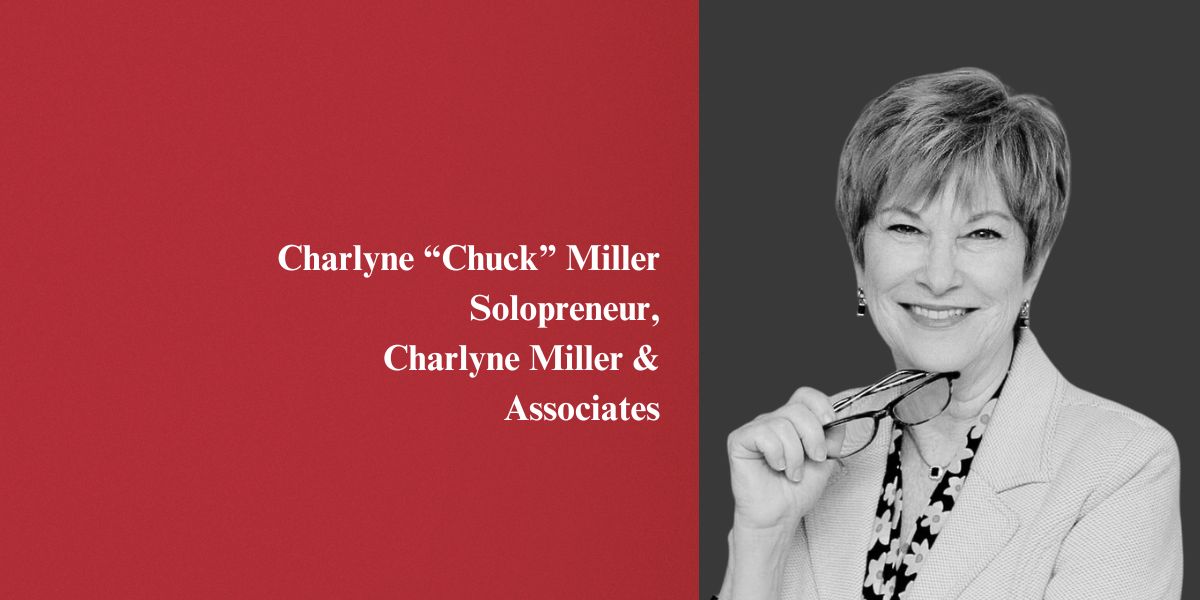
In a world often characterized by self-interest and fleeting trends, the call for authentic, values-driven leadership has never been more urgent. For Christian business leaders, this call is not merely a professional aspiration but a profound spiritual mandate. Charlyne “Chuck” Miller, a seasoned solopreneur with over two decades of experience in coaching, consulting, and training, embodies this integration of faith and business. Her journey offers invaluable insights into how intentional living of one's faith can profoundly shape leadership, operations, and impact.
Beyond the Pulpit: Living Out Faith in the Marketplace
Chuck Miller’s approach to integrating faith into her business is refreshingly practical and deeply impactful. She doesn't preach from a soapbox; instead, she allows her values to be seen and felt in every interaction. “I don’t advertise that I’m a Christian coach,” she explains, “I wanted people to feel that they saw something in me that would reflect those Christian values.” This subtle yet powerful approach resonates across diverse cultures and belief systems, allowing her to connect with clients on a universal level of integrity and respect.
For Chuck, being a “Jesus follower” means embodying values like integrity, compassion (held with healthy boundaries), courage, healthy humility, and service. These aren't just abstract concepts; they are the bedrock of her daily operations. Her commitment to service, in particular, has evolved into a desire for tangible impact, ensuring her clients are empowered to achieve their definition of success. The constant pursuit of patience, a value she openly admits to struggling with, highlights the ongoing journey of spiritual growth even for the most experienced leaders.
Faith in Action: Decisions That Define a Leader
True leadership is often revealed in moments of difficult decision-making. Chuck shares two poignant examples where her faith directly influenced her business choices, even at significant financial cost. In one instance, she terminated a lucrative contract with a well-known cigarette company. Despite their deep pockets and commitment to leadership development, Chuck realized that helping their employees succeed in an industry that leads to “disease and death” conflicted with her commitment to service and impact. This was a clear line drawn in the sand, prioritizing her values over profit.
Another instance involved turning down a significant, exciting opportunity abroad to honor a prior, less financially rewarding commitment to a client. This decision, rooted in integrity, underscored her belief that her “word is really important.” These aren't just business decisions; they are faith-driven choices that define her character and reinforce her commitment to ethical leadership.
Investing Time, Talent, and Treasure with Purpose
Chuck’s faith also guides how she allocates her time, talent, and resources. Recognizing that her professional tools can benefit those who may not have access to them, she actively seeks opportunities to serve. This includes teaching small groups at her church, facilitating community initiatives, and coaching underserved populations like women re-entering the workforce or veterans. Her expertise, honed in the corporate world, becomes a powerful instrument for positive change in environments where financial gain is not the primary motivator.
Encouraging a New Breed of Christian Business Leaders
Chuck’s encouragement to other Christian business leaders is both simple and profound: recognize the immense power of your influence. In a world where many feel “unseen, alone, and undervalued,” leaders have a unique opportunity to create workplaces that elevate and affirm. This doesn't require grand gestures but rather consistent, intentional actions: asking for opinions, truly listening, and actively seeking opportunities to give positive feedback. “It costs them nothing and very little time,” she emphasizes, yet the impact on people’s sense of self and passion for their work is immeasurable.
For those early in their journey of integrating faith into business, Chuck offers clear advice: understand what faith means to you. This self-clarity is paramount. She suggests revisiting the Sermon on the Mount, a foundational text for many Christians, and asking, “What does that mean for me as a leader?” The principles are clear, though their application may vary. Identifying personal vulnerabilities, like her struggle with patience, allows leaders to anchor themselves daily and work on areas that challenge their values.
The Lifelong Journey of Compassionate Leadership
Chuck Miller’s narrative is a testament to the ongoing, lifelong journey of faith integration. It’s not about arriving at perfection but about continuous growth, even through life’s struggles. In moments of stress, it’s easy to lose sight of compassion and patience, but the commitment to these values, coupled with self-compassion, is what truly defines a transformational leader. Her story is a powerful reminder that when faith is genuinely lived out, it doesn't just shape a business; it transforms lives, one intentional decision at a time.
Action Steps for Your Leadership Journey
- Define Your Core Values: Take time to identify the specific values that stem from your faith. How do these translate into actionable principles for your business and leadership?
- Practice Intentional Listening: Make a conscious effort to truly hear your team members, clients, and partners. What are their struggles, aspirations, and unmet needs?
- Seek Opportunities for Service: Look for ways to leverage your skills and resources to serve your community or those in need, even if there's no direct financial return.
- Reflect on Your Vulnerabilities: Identify areas where you struggle to consistently live out your values. What steps can you take to grow in these areas?
- Prioritize Integrity: When faced with difficult decisions, ask yourself: Does this align with my deepest values and commitments? How will this impact my integrity and the trust I've built?
Written by
Dr. John Lybarger
Dr. Lybarger is an ICF Master Certified Coach, executive leadership development consultant, industrial/organizational psychologist, ordained minister
Interview with
Charlyne “Chuck” Miller
Solopreneur at Charlyne Miller & Associates
Prescott Valley, AZ
Continue Reading
More articles in Faith in Business
.jpg) Faith in Business
Faith in BusinessThe Fan Blade That Changed Everything: Byron Low on Loving People Without a Drum to Beat
A curious engineer on his lunch hour became an executive coach. Byron Low explains why he follows God's nudges, loves people first, and refuses to trust in chariots.

.jpg) Faith in Business
Faith in BusinessThe Three-Month Fix That Became a Three-Year Turnaround: Steven Flowers on Saving a Family Shelter
Steven Flowers walked into a shelter with less than two months of cash and a live bed bug taped to his door. Three years later, it is serving twice as many families. Here is how a pastor's phone call changed everything.

.jpg) Faith in Business
Faith in BusinessStay Off the Bench: How Kent Evans Is Equipping Dads to Make Disciples
Kent Evans started with a simple question in 2010: what if dads had tools to open Scripture with their sons? Sixteen years later, Manhood Journey reaches over a million people a year.
WANT TO SHARE YOUR STORY?
Join our community of faith-driven leaders and share how God is working in your business.
Get Started