Beyond the Building: How Authentic Leadership Transforms Communities
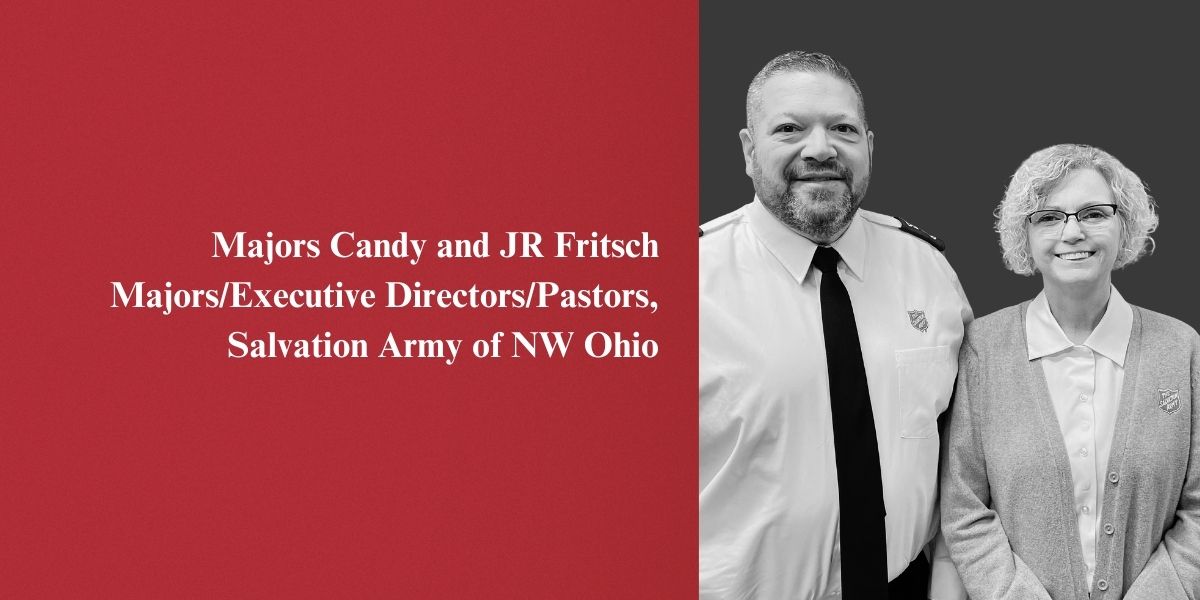
In a world often seeking quick fixes and superficial solutions, the story of Majors Candy and JR Fritsch of the Salvation Army of NW Ohio offers a profound counter-narrative. Their journey is a testament to the transformative power of authentic, faith-driven leadership that prioritizes people, integrity, and unwavering commitment to a higher calling. Their approach, honed over decades of ministry, reveals that true impact extends far beyond the walls of any building, reaching into the hearts and lives of individuals.
The Genesis of a Movement: From Strip Mall to "New Life Center"
The Majors' ministry began not in a grand cathedral, but in the unassuming setting of a strip mall in New England. This unconventional start forced a creative rethinking of what church could be. Candy, initially hesitant to lead a playgroup, felt a divine calling to work with women and children. What began as a simple desire for her children to have playmates blossomed into a vibrant community. The "Parents and Tots" group, initially serving a relatively well-resourced community, grew rapidly, necessitating operational changes, staff hires, and constant adaptation. The space itself became a symbol of transformation, shifting from playroom to chapel, embodying their belief that ministry could meet everyday needs while still preaching the gospel. JR emphasizes that this season was a masterclass in lifestyle evangelism, where relationships, not sales pitches, opened doors. Their willingness to "clean carpets for Jesus" – doing whatever was needed, no matter how humble – laid the groundwork for genuine connection, even in a culture often skeptical of overt religious motives.
From to New England to Cleveland and Beyond: Adapting, Innovating, and Overcoming Constraints
The lessons learned in New England proved invaluable as the Majors moved to new appointments. In Youngstown, consistent service through a soup kitchen became the foundation for congregational growth, intentionally involving entire families. Weekday programs for children, family events with gospel messages, and music instruction all served as powerful "on-ramps" for community engagement. In Cleveland, faced with a more transient population, they adapted their outreach, even employing traditional methods like mailings and flyers when necessary. They also recognized the need to gently teach "church etiquette" to create a welcoming environment for all. A significant challenge arose in Cleveland with licensing requirements that restricted overt religious materials in certain spaces. Yet, even within these constraints, their faith guided them to minister through relationship. Candy sat with seniors, building rapport, and in the learning center, children from diverse backgrounds, including many Muslim families, learned songs about Jesus. This relational approach led to remarkable moments, such as Muslim girls singing about Jesus and families praying salvation prayers. The story of the Egyptian mother, empowered to escape abuse and whose children found stability and purpose through their intervention, powerfully illustrates the life-altering impact of their holistic ministry.
The Unseen Partnership: A Marriage Forged in Ministry
Central to the Majors' enduring ministry is their partnership, both in life and in service. Married at 18, they describe their journey as inseparable. They credit strong mentors for teaching them to "love people in spite of themselves," understanding that "hurt people hurt people." Their move into a coaching role led to the creation of resources on sacred hospitality, emphasizing that details like parking, cleanliness, and clear signage communicate a profound message: "I want you to come, and I prepared for you." This attention to detail, born from their faith, transforms operational decisions into acts of welcome and dignity. Their arrival in Toledo, though abrupt, immediately revealed a deep need, affirming their belief that they were an "answer to prayer." Here, they focused on building a positive work environment, treating staff with grace and appreciation, and prioritizing listening as a key leadership principle. JR's motto, "don't expect someone to do something you wouldn't do yourself," underscores their hands-on, servant-leadership approach.
Faith in Action: Integrity, Compassion, and Hope
The Majors' faith is not a separate compartment of their lives but the guiding principle for every decision. Daily devotions and prayer are foundational, ensuring that their actions reflect Christ. Candy's observation of the Toledo pantry through the eyes of a client led to immediate changes, transforming a potentially shaming experience into one of hope and dignity. Their commitment to integrity was powerfully demonstrated during a Cleveland audit when they refused to "fudge" signatures, choosing the harder, righteous path over expediency. This unwavering commitment to truth, even under pressure, is a hallmark of their leadership. Their faith also shapes their investment of time, talent, and resources. They are fundamentally "in the people business," shepherding staff, partners, and community members with the love of Christ. Their vision for a "one-stop shop" for services, inspired by helping a woman navigate the complexities of obtaining a restraining order, highlights their commitment to reducing barriers and fostering collaboration among agencies. Candy's initiative to start a Bible study on grace and brokenness for trauma survivors further exemplifies their dedication to holistic healing and spiritual growth.
Encouragement for Christian Leaders: Trust, Integrity, and Intentionality
For other Christian business leaders, the Majors offer profound encouragement: "You will hit a wall. Pray for vision, pray for leading, and follow the passion God has equipped you with." They emphasize the importance of integrity, stating, "If you lose it, it’s hard to regain." Leading well at home is equally crucial, as consistency between public and private life builds trust. Their 36-year marriage, nurtured through intentional practices like "alphabet dating," serves as a powerful example of prioritizing personal relationships amidst the demands of ministry. They advise leaders to "plan, to pour, and to keep choosing one another," recognizing that a strong foundation at home is essential for sustained impact in the world. Ultimately, their message is clear: keep God at the center, for He is the one who holds everything together, even on the days when we are not perfect.
Call to Action
Reflect on your own leadership. Where can you infuse greater integrity, compassion, and intentionality into your daily operations? How can you create spaces and experiences that communicate profound welcome and dignity to those you serve? Consider how your personal relationships can be strengthened to sustain your leadership journey. The Majors' story is a powerful invitation to lead with a faith that transforms not just organizations, but lives, one relationship at a time.
Written by
Kingdom Factor
Faith-driven executive coaching and peer advisory groups.
Interview with
Majors Candy and JR Fritsch
Majors/Executive Directors/Pastors at Salvation Army of NW Ohio
Lambertville, MI
Continue Reading
More articles in Faith in Business
.jpg) Faith in Business
Faith in BusinessThe Fan Blade That Changed Everything: Byron Low on Loving People Without a Drum to Beat
A curious engineer on his lunch hour became an executive coach. Byron Low explains why he follows God's nudges, loves people first, and refuses to trust in chariots.

.jpg) Faith in Business
Faith in BusinessThe Three-Month Fix That Became a Three-Year Turnaround: Steven Flowers on Saving a Family Shelter
Steven Flowers walked into a shelter with less than two months of cash and a live bed bug taped to his door. Three years later, it is serving twice as many families. Here is how a pastor's phone call changed everything.

.jpg) Faith in Business
Faith in BusinessStay Off the Bench: How Kent Evans Is Equipping Dads to Make Disciples
Kent Evans started with a simple question in 2010: what if dads had tools to open Scripture with their sons? Sixteen years later, Manhood Journey reaches over a million people a year.
WANT TO SHARE YOUR STORY?
Join our community of faith-driven leaders and share how God is working in your business.
Get Started